
Post Name

Swirl flaps are a BMW system that has been introduced to help burn the fuel mixture in the cylinder better due to the fact that diesel engines do not have throttle valves and it is not possible to adjust the air-fuel ratio. A diesel engine without vortex valves operates between a poor and a rich fuel mixture, because the only way to regulate it is through fuel injection.

Design of the first generation swirl flaps that are made of made of metal.
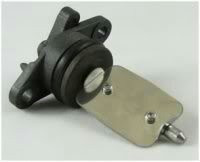
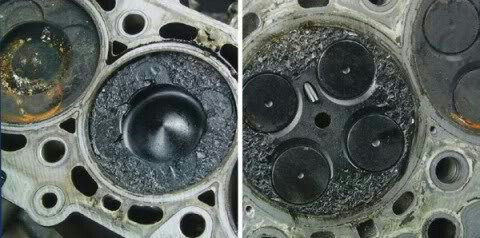
Unfortunately, swirl flaps are responsible for countless damaged engines and costly repairs due to design errors or metal fatigue. Once damaged, the cylinder sucks them in and causes great damage.

This is how damaged valves damage the cylinder.
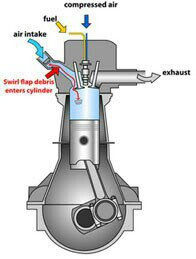
Typical swirl flaps  suction damage.
The vortex valves are positioned in the inlet and are controlled by vacuum (DDE 4.0) or electrically (DDE5.0 / DDE6.4) by the engine ECU.

Effects of malfunctioning valves:

  • Swirl valves are  stuck in open position: Deterioration of exhaust gas performance at lower speeds.
  • Swirl valves are stuck in closed position: Approximate power loss of 10% at high engine speeds.

How swirl flaps work:

Performance characteristics:

The vortex valves are in the closed position, at low engine speeds and small amounts of fuel injected (controlled by the ECU card).

They open under the following conditions:

  1. coolant temperature <14 ° C OR * fuel quantity> 24 mg OR
  2. engine speed 2250 rpm OR
  3. inlet air temperature <-5 ° C

BMW and Pierburg have decided to produce diesel engines with metal vortex valves. The speed at which the pistons in the diesel engine operate is at least 60 rpm, so a sucked vortex valve will break and cause a number of damages inside the engine.

In most cases, one or more pistons are severely damaged, as a bonus you get valves, in some cases a head or turbocharger. And this combination with a BMW engine is like a cumulative jackpot  🙂

In 2004, BMW began work on the problem and improved the design, however, a number of owners reported ongoing problems in this area.

The solution to this problem is by removing the vortex valves and plugging, which does not affect the performance of the engine and at the same time, you can safely pass the exhaust test.

Engines:

M47 (136hp VP44 fuel pump) has no valves.

M47N common rail engine (including M47N / M47TU / M47TUD20) (150hp. Face lift model from 2001 -) has valves.

M57 engines (M57D) (525d & 187hp. 330d) cars with manual transmission do not have valves, but those with automatic have.

M57N engines (M57TUD) (525d & 330d 204hp) have vortex valves.

Ruined swirl flaps:

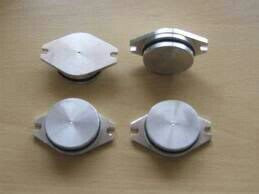
The plugs that replace the vortex valves are easy to find on the internet, but you can also find them here on our website.

Typical plugs:
 

Disassembly of vortex valves:

The vortex valves can be safely dismantled and in most cases if they are  removed properly no loss of power is felt.

Final list of models for which vortex valves are installed:

Engine: M47N/M47TU/M47TUD20

Applications:

* 110 kW (148 hp) and 330 N·m (243 lb·ft)

o E46 320d 2001-2005

o E83 X3 2.0d (up to end of 2006)

Engine: M47TU2D20

The engine was updated again in 2004 as the M47TU2D20. Still at 1995 cc, it produced more power across the range.

Applications:

* 120 kW (161 hp) and 340 N·m (251 lb·ft)

E60/E61 520d

E87 120d

E90/E91 320d

E83 X3 2.0d (end of 2006 onwards)

Engine: M57/M57D25

M57D25 was introduced in 2000.

Applications:

* 166 PS (122 kW; 164 hp) at 4000 rpm, 350 N·m (260 lb·ft) at 2000-2500 rpm with a 4750 rpm redline, models:

2000-2003 E39 525d *Vehicles With Automatic Transmission ONLY*

Engine: M57N/M57TU/M57TUD25

M57TUD25 was introduced in 2004.

Applications:

* 177 PS (130 kW; 175 hp) at 4000 rpm, 400 N·m (300 lb·ft) at 2000-2750 rpm models:

E60/E61 525d

Engine: M57/M57D30

M57D30, also called M57D29, was introduced in 1998.

Applications:

* 184 PS (135 kW; 181 hp)@4000, 390 N·m (290 lb·ft)@1750-3200 models:

E39 530d *Vehicles With Automatic Transmission ONLY*

E46 330d/330xd *Vehicles With Automatic Transmission ONLY*

* 184 PS (135 kW; 181 hp)@4000, 410 N·m (300 lb·ft)@2000-3000 models:

E38 730d *Vehicles With Automatic Transmission ONLY*

E53 X5 3.0d

* 193 PS (142 kW; 190 hp)@4000, 410 N·m (300 lb·ft)@1750-3000 models:

E38 730d

E39 530d

Engine: M57N/M57TU/M57TUD30

M57TUD30 was introduced in 2002. It originally produced 160 kW (215 hp) at 4000 rpm and 500 N·m (370 lb·ft) at 2000-2750 rpm, but was tweaked for 150 kW (201 hp) at 4000 rpm and 410 N·m (300 lb·ft) at 1500-3250 rpm for 2003 and again for 200 kW (268 hp) at 4000 rpm and 560 N·m (410 lb·ft) at 2000-2250 rpm in 2004.

Applications:

* 204 PS (150 kW; 201 hp)@4000, 410 N·m (300 lb·ft)@1500-3250 models:

E46 330d/330Cd/330xd

E83 X3 3.0d

* 218 PS (160 kW; 215 hp)@4000, 500 N·m (370 lb·ft)@2000-2750 models:

E53 X5 3.0d

E60/E61 530d/530xd

E65 730d

* 272 PS (200 kW; 268 hp)@4000, 560 N·m (410 lb·ft)@2000-2250

E60/E61 535d

* 245 PS (180 kW; 242 hp)@4000, 500 N·m (370 lb·ft)@2000-2250

* 286 PS (210 kW; 282 hp)@4000, 580 N·m (430 lb·ft)@2000-2250

Engine: M57TU2D30

M57TU2D30 was introduced in 2007, making its debut in the facelifted E60 and E61.

* M57TU2D30-UL: 197 PS (145 kW; 194 hp)

* M57TU2D30-OL: 235 PS (173 kW; 232 hp)@4000, 500 N·m (370 lb·ft)@2000-2750

* M57TU2D30-TOP: 286 PS (210 kW; 282 hp), 580 N·m (430 lb·ft)

Applications:

* 197 PS (145 kW; 194 hp), 400 N·m (300 lb·ft) models:

E90/E91/E92 325d

E60/E61 525d/525xd

* 231 PS (170 kW; 228 hp)@4000, 500 N·m (370 lb·ft)@2000-2750 models:

E65 730d

E90/E91 325d

E90/E91 330d/330xd

* 235 PS (173 kW; 232 hp) models:

E60/E61, BMW E70, BMW E71

* 286 PS (210 kW; 282 hp), 580 N·m (430 lb·ft) models:

E60/E61 535d

E70 X5 3.0sd

E71 X6 xDrive35d

E83 X3 3.0sd

E90/E91 335d

The above models are listed for information only if you want to to make sure your engine has valves installed, please contact a competent person.

Please note that the information described above is for informational purposes only and does not claim to be reliable. Mr-key.com is not responsible for any repair work you undertake that is related to the topic described in this article.

Gerelateerde Berichten

The Top 5 Car Key Emergencies and How to Handle Them

The Top 5 Car Key Emergencies and How to Handle Them

When it comes to car keys , emergencies often strike at the worst possible moments. Whether you’re rushing to work, stuck at a grocery store, or stranded in an unfamiliar location, knowing how to handle these situations can save you time, stress, and money. Below are the five most common car key emergencies and practical solutions to get you back on track. 1. Locked Out of Your Car? Here’s What to Do Locking your keys inside your car is a common yet frustrating mistake. The good news? There are ways to regain access without breaking the bank—or your window. Check for Spare Keys: If you have a spare key, now is the time to use it. Always keep one in a secure but accessible location, like with a trusted friend or at home. Use a Slim Jim or Unlocking Tool: While not ideal for everyone, these tools can work if you’re familiar with their use. However, be cautious to avoid damaging your car. Call a Locksmith or Roadside Assistance: Professional services can unlock your car safely and quickly. While it might cost you, it’s often cheaper than repairing a broken window. Pro Tip: Many modern cars come with apps or key fobs that allow remote unlocking. Familiarize yourself with these features beforehand. 2. Key Stuck in the Ignition? Don’t Panic A key stuck in the ignition can leave you feeling helpless, but with the right steps, you can often fix the issue yourself. Check the Gear Position: Ensure the car is in “Park” or “Neutral.” Many cars prevent key removal unless the gear is correctly positioned. Inspect for Steering Wheel Lock: Wiggle the steering wheel gently while trying to turn and remove the key. A locked steering wheel might be the culprit. Lubricate the Lock: Use a small amount of graphite lubricant to loosen the ignition lock. Avoid oil-based lubricants as they can attract dirt. Seek Professional Help: If the key is still stuck, call a locksmith or mechanic to prevent further damage. 3. Lost Your Key Fob Without a Spare? Act Fast Losing your key fob with no backup can be a nightmare, especially if your car relies on it entirely. Contact a Locksmith: Many locksmiths can program a new key fob on the spot, often at a lower cost than going to a dealership. Order a Replacement: Some car manufacturers allow you to order a replacement key fob online. Be prepared to provide proof of ownership. Preventative Measures: Always have a spare key fob and store it in a safe location. Consider investing in a key tracker to avoid future mishaps. 4. Dealing with a Wet or Damaged Key Fob? Accidents happen—maybe your key fob went through the wash or got drenched in the rain. The good news? Not all is lost. Dry It Out: Remove the battery and place the key fob in a bag of rice or silica gel to absorb moisture. Let it sit for at least 24 hours. Replace the Battery: Water damage can short-circuit the battery, so replace it with a new one after drying the fob. Test the Fob: After reassembling, check if the fob functions properly. If not, you may need to replace it or have it repaired by a professional. 5. Dead Key Fob Battery in a Remote Location? A dead key fob battery can leave you stranded, but this issue is often easier to resolve than you might think. Check for Hidden Features: Many cars have an emergency key hidden in the fob itself. This can manually unlock the door. Push-Button Start Workaround: Some cars allow you to start the engine by holding the dead fob close to the start button. Carry a Spare Battery: Always keep a spare CR-type battery in your glove box for quick replacements. These are inexpensive and widely available. Pro Tip: Familiarize yourself with your car’s manual to learn emergency procedures for dead key fobs. General Tips to Prevent Car Key Emergencies Preparation is your best defense against car key emergencies. Follow these tips to avoid getting caught off guard: Keep a Spare Key Handy: Store it at home, with a trusted person, or in a secure, hidden location. Invest in a Key Tracker: Attach a Bluetooth-enabled tracker to your key fob for easy location via your smartphone. Regular Maintenance: Replace key fob batteries proactively and inspect your keys for wear and tear. Learn Emergency Features: Understand your car’s built-in features, such as remote unlocking or hidden keys, to save time in emergencies. Stay Prepared, Stay Calm Car key emergencies don’t have to derail your day. With a little preparation and knowledge, you can tackle these common scenarios with confidence. Whether it’s unlocking your car, replacing a battery, or dealing with a damaged key fob, taking proactive measures ensures you’re always one step ahead.

5 Common Car Key Problems and Easy Fixes to Get You Back on the Road

5 Common Car Key Problems and Easy Fixes to Get You Back on the Road

Losing or encountering issues with your car key can feel like a nightmare, especially when you’re in a hurry. From unresponsive key fobs to stuck keys, these problems are more common than you might think. The good news? Most of these issues have simple, affordable fixes that you can address quickly. This guide will help you identify common car key problems and provide solutions to get you back on track without breaking the bank. 1. Key Won’t Turn in the Ignition Why It Happens: When your car key refuses to turn, it’s often due to a worn-out key, a damaged ignition cylinder, or a locked steering wheel. How to Fix It: Check the Steering Wheel: If the wheel is locked, try gently turning the steering wheel left and right while turning the key in the ignition. Inspect the Key: A bent or worn-out key can cause alignment issues. Try a spare key if you have one. Lubricate the Ignition: Use a small amount of graphite lubricant (avoid oil-based products) to loosen the ignition cylinder. If All Else Fails: Consult a professional to replace the key or ignition lock. Tip: Avoid forcing the key, as this could damage the ignition further. 2. Car Key Fob Isn’t Responding Why It Happens: Modern key fobs are convenient, but they rely on batteries and electronic components that can fail. A dead battery is the most common culprit. How to Fix It: Replace the Battery: Open your key fob (usually with a small screwdriver) and swap out the old battery for a fresh one. Most fobs use coin-shaped batteries like CR2032. Reprogram the Key Fob: If changing the battery doesn’t work, your fob may need reprogramming. Follow your car manual’s instructions or consult a professional locksmith. Check for Damage: Inspect the buttons and internal components for signs of wear or moisture. Tip: Always keep a spare battery on hand to avoid unexpected key fob failures. 3. Key Stuck in the Ignition Why It Happens: This issue often stems from a locked transmission, dirt in the ignition, or a worn-out key that doesn’t align properly. How to Fix It: Ensure the Car Is in Park: For automatic cars, check that the gear shifter is fully in the “Park” position. Clean the Ignition: Use compressed air to remove dirt or debris from the keyhole. Jiggle the Key: Gently wiggle the key while applying light pressure to help free it. Inspect for Damage: If the key is bent, avoid forcing it. A professional can help safely extract it. Tip: If the problem persists, you may need to replace the ignition cylinder or key to prevent further damage. 4. Worn or Damaged Car Key Why It Happens: Over time, constant use can wear down the grooves on your key, making it difficult to start the car or open the doors. How to Fix It: Get a Duplicate Key: If your key is showing wear, have a duplicate made while it still works. Replace the Key: A locksmith can create a new key based on your car’s lock or key code. Upgrade to a Modern Key: If you’re using an older mechanical key, consider upgrading to a transponder key or key fob for added convenience and security. Tip: Don’t wait until your key stops working entirely. Replacing a worn key early can save you time and stress. 5. Key Fob Signal Interference Why It Happens: Sometimes, your car key fob may not respond due to signal interference from nearby electronics or a faulty antenna. How to Fix It: Move Away from Interference: Check for other devices nearby, such as Wi-Fi routers or radios, which may disrupt the signal. Inspect the Fob: Ensure the key fob’s battery is working and the buttons are functional. Reset the Key Fob: Follow your car manual’s instructions to reset or resynchronize the fob. Test the Car’s Receiver: If the problem persists, there may be an issue with your car’s signal receiver. Tip: Parking in a location free from electronic interference can help diagnose if this is the root cause. Preventing Car Key Problems: Simple Tips Taking care of your car key now can save you from bigger headaches later. Here are some quick maintenance tips: Keep Keys Clean: Avoid exposing keys to water, dirt, or chemicals. Store Spare Keys Safely: Always have a backup key in a secure and accessible place. Replace Batteries Regularly: Change key fob batteries annually to prevent unexpected failures. Inspect Your Keys: If you notice wear, cracks, or loose buttons, address the issue early. Why Addressing Car Key Problems Early Saves You Money Ignoring small car key problems can lead to more expensive repairs down the road. For example: A damaged ignition can cost far more to replace than addressing a stuck key early. Reprogramming a lost or broken key fob is more costly than simply replacing a battery. Getting a duplicate key before the original breaks ensures you’re not left stranded. By staying proactive, you can keep your car keys functioning smoothly without spending a fortune.

The Complete Guide to Car Key Cutting: Everything You Need to Know

The Complete Guide to Car Key Cutting: Everything You Need to Know

Unlocking the Mysteries of Car Key Cutting Have you ever been in a situation where you needed a spare car key or had to replace a lost one? Car key cutting is an essential process for creating duplicate keys or replacements, but it’s often misunderstood. From traditional keys to modern transponder and smart keys, the art of key cutting has evolved dramatically with advancements in technology. This guide will walk you through the key cutting process, its types, and when professional help is required, helping you navigate the complexities of car key duplication with confidence. What Is Car Key Cutting? Car key cutting is the process of creating a new key that matches the physical shape and specifications of your vehicle’s locks and ignition. This process involves cutting the metal key blade to fit the car’s lock mechanism precisely. For modern cars, this may also include programming the electronic components of the key, such as transponder chips or remote controls. The method used for cutting a car key depends on the type of key and the car model. Traditional keys are simpler to cut, while transponder and smart keys require specialized tools and expertise. Types of Car Keys and Cutting Methods Traditional Keys These are the classic mechanical keys used in older vehicles. Cutting these keys involves duplicating the grooves and ridges of the original key using a key-cutting machine. Transponder Keys Found in most modern cars, transponder keys contain a microchip that communicates with the car’s computer. After cutting the blade, these keys must also be programmed to function. Smart Keys These advanced keys use wireless communication to interact with the car. They don’t require physical cutting but involve programming to sync with the vehicle. Each type of key requires a different approach and level of expertise, making it essential to know what kind of key you have before proceeding with duplication. The Key Cutting Process: Step by Step Identify the Key Type Determine whether you have a traditional, transponder, or smart key. This will dictate the tools and process needed for cutting and programming. Gather Required Information Provide the key cutter with details about your car, such as the make, model, and year. For some keys, a Vehicle Identification Number (VIN) may be required. Cutting the Key Blade For traditional and transponder keys, the blade is cut using a key duplicator or a laser key-cutting machine. Precision is crucial to ensure the key fits perfectly in the lock. Programming (if required) For transponder and smart keys, the key must be programmed to the car’s computer system. This step may require specialized equipment or professional expertise. When to Seek Professional Help While traditional keys can often be duplicated at local hardware stores, transponder and smart keys typically require specialized tools and knowledge. Professional locksmiths and dealerships are equipped to handle these advanced key types, ensuring proper cutting and programming. Reasons to choose a professional: Complexity: Smart and transponder keys require technical expertise. Accuracy: Professionals use precise equipment to ensure the key functions flawlessly. Programming Needs: Only trained specialists can program keys to sync with your vehicle. Cost of Car Key Cutting The cost of cutting a car key varies depending on the type of key and the service provider. Traditional keys are the most affordable, typically costing between $10 and $50. Transponder and smart keys, however, can range from $50 to $300 or more due to the additional programming required. Tips to save money: Have a spare key: This simplifies the duplication process and reduces costs. Compare prices: Contact multiple locksmiths or dealerships to find the best deal. Be Prepared for Every Key Emergency Car key cutting is a vital service for any car owner, whether you’re duplicating a spare key or replacing a lost one. Understanding the process and knowing when to seek professional help can save you time, money, and frustration. By staying informed and proactive, you can ensure that your vehicle remains accessible and secure, no matter what challenges arise.

Simple and Affordable Solutions for Car Key Replacement and Repairs

Simple and Affordable Solutions for Car Key Replacement and Repairs

Misplacing or damaging your car keys can be a major inconvenience, but it doesn't have to be a costly ordeal. As a car owner seeking budget-friendly and efficient solutions, understanding your options is crucial. Here's a comprehensive guide to help you navigate the process of replacing your car keys without breaking the bank. Understanding Your Car Key Type Identifying the specific type of car key you have is the first step toward an effective replacement: Traditional Metal Keys : Simple, non-electronic keys that are easy and inexpensive to duplicate. Transponder Keys : Equipped with a chip that communicates with your vehicle's ignition system for added security. Remote Key Fobs : Allow remote locking and unlocking of your vehicle, often integrated with a transponder chip. Smart Keys : Provide keyless entry and start features, utilizing advanced technology for convenience. Cost-Effective Alternatives to Dealership Key Replacement Dealerships are known for charging premium prices for key replacements. Consider these more affordable options: Professional Locksmiths : Specialize in cutting and programming various types of car keys, often at a fraction of dealership costs. Online Key Retailers : Offer replacement keys and fobs that can be purchased and then programmed either by yourself or a professional. Hardware Stores : Some stores can duplicate traditional metal keys on the spot, providing a quick and inexpensive solution. Steps to Take When You've Lost Your Car Key Losing your car key can be stressful, but following these steps can streamline the replacement process: Verify Your Vehicle Identification Number (VIN) : Locate your VIN, typically found on the dashboard or inside the driver's side door, as it is essential for key replacement. Gather Necessary Documentation : Prepare proof of ownership, such as your vehicle registration and personal identification. Contact a Professional : Reach out to a reputable locksmith or key replacement service with your vehicle details to obtain a new key. Removing a Broken Key from the Ignition or Door Lock A broken key can be a frustrating obstacle. Here's how to address it: Use Needle-Nose Pliers : If a portion of the key is protruding, gently extract it using pliers. Apply Lubricant : Spray a graphite-based lubricant into the lock to ease the removal process. Seek Professional Assistance : If the key fragment is lodged deep or these methods fail, contact a locksmith to prevent further damage. Preventative Measures to Avoid Future Key Issues Keep a Spare Key : Having a duplicate stored safely can save time and money in emergencies. Regular Maintenance : Inspect your keys and locks periodically for signs of wear and address issues promptly. Use Key Protectors : Invest in key covers or cases to minimize physical damage.

Chat met ons