
Post Name

Modern cars rely heavily on large navigation and infotainment screens. These displays are used constantly and exposed to scratches, fingerprints, dust, heat and direct sunlight. Repairs are expensive, and replacement screens can cost several hundred euros. A hydrogel screen protector adds a thin, flexible layer that guards the display without affecting clarity or touch response.
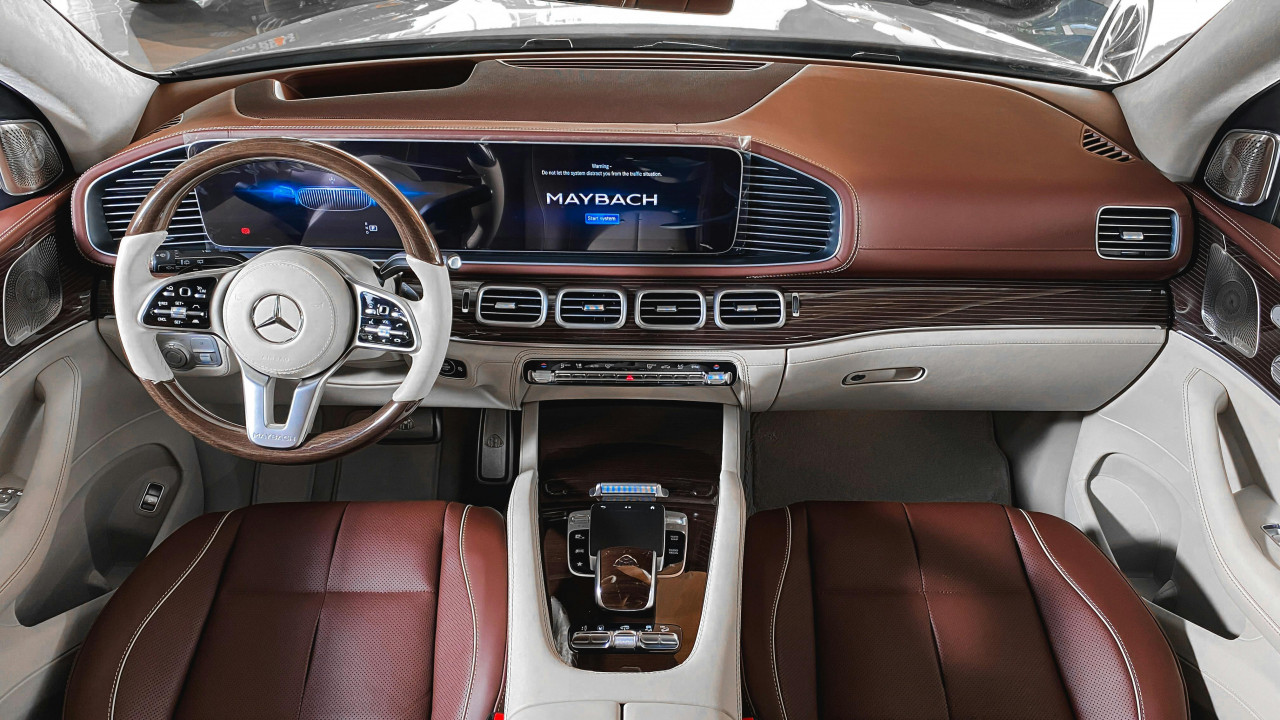
Premium and Luxury Models


Premium brands adopted large infotainment screens early, making them among the most likely to benefit.

BMW models such as the 3 Series, 5 Series and X5 use wide, high-resolution displays (up to 14.9”).

Audi cars like the A4, A6 and Q5 include 10–12” touchscreens.

Mercedes-Benz models such as the C-Class, E-Class and GLC use vertically oriented 11–12” MBUX screens.

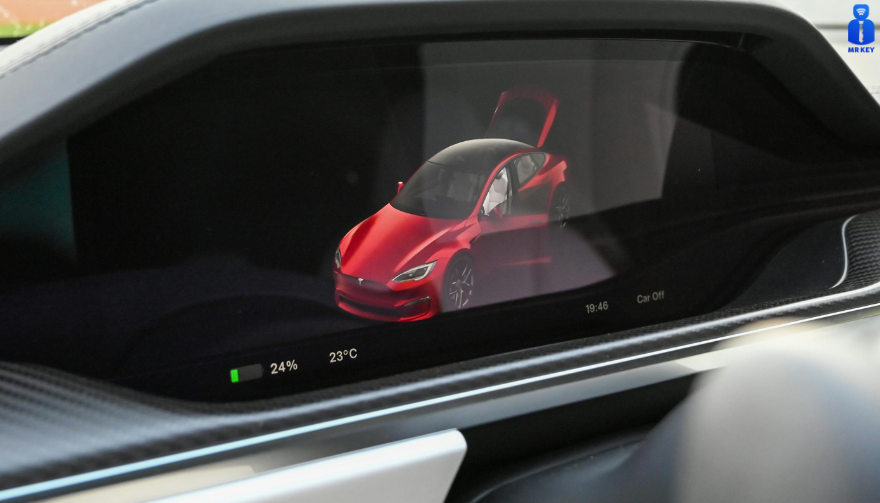
Porsche vehicles (Cayenne, Macan, Panamera) and Tesla models (Model 3, Y, S) use some of the largest screens in Europe.

These vehicles benefit significantly from a hydrogel protector thanks to their large surfaces and frequent touch use.

Popular European Models


Mainstream European cars now feature screens as large as luxury models.

Volkswagen offers 10–15” displays in models such as the Golf, Tiguan and Passat.

Škoda uses up to 13” screens in the Octavia, Superb and Kodiaq.

Dacia equips models like the Jogger, Duster and Sandero with 7–10” displays.

Toyota (Corolla, RAV4, Yaris Cross).

 Renault (Captur, Clio, Megane E-Tech).

Peugeot (208, 3008, 5008)

 Citroën (C4, C5 Aircross)

 Nissan (Qashqai, Juke, Leaf) 

Ford (Focus, Kuga)

Kia (Sportage, Ceed, Niro, Picanto, Stonic, Rio, Sorento)

all rely on large central touchscreens.

As screens grow in size across all price segments, protection becomes increasingly important.

Benefits of Hydrogel Screen Protectors


Hydrogel film is thin, flexible and adheres tightly. It works on flat and curved surfaces where tempered glass cannot. The material absorbs small impacts and can self-heal minor marks. With its anti-glare properties It keeps the display clear, maintains original brightness and preserves smooth touch performance. It also helps reduce smudges and makes daily cleaning easier.

Once you’ve chosen a hydrogel protector for your car, the next step is applying it correctly. Follow our step-by-step guide on how to install a hydrogel navigation screen protector for a perfect bubble-free result.
Who Needs Hydrogel Protection the Most?


Any car with:

a large touchscreen (8” or more)

glossy glass prone to fingerprints

curved edges

high cabin sun exposure

Hydrogel is especially useful for daily drivers, family cars and vehicles where multiple people interact with the system.

Rental, Company and Service Vehicles Benefit Even More


Cars used for business—such as rental cars, company vehicles, fleet cars, taxis, and service vehicles—experience significantly higher daily usage than private cars. Their navigation screens are touched constantly by different drivers, exposed to dust, temperature changes and frequent cleaning.

Because of this heavy wear, screens in rental and company vehicles are far more likely to show scratches, fingerprints and long-term damage. A hydrogel dashboard screen protector adds a durable layer that absorbs daily abuse, keeps the display clear for every driver and reduces maintenance costs for fleet managers.

For any vehicle that is shared or driven by multiple users, screen protection is not just useful—it’s essential.


FAQ


What is a hydrogel screen protector?

A thin, flexible film that protects a car’s navigation or dashboard display.

How is it installed?

Clean the screen, align the film and press it down. Dry installation is recommended.

What are the benefits?

Scratch resistance, impact absorption, reduced fingerprints and full coverage on curved screens.

Is it compatible with all cars?

Yes, if you choose a protector cut for your specific model.

Does it affect touch response?

No. Hydrogel keeps full touch accuracy.

How long does it last?

Usually 1–3 years, depending on use. Easy to replace.

Hydrogel vs tempered glass?

Hydrogel fits curved screens and absorbs impacts. Glass is harder but can crack and does not cover complex shapes. For more in depth guide check out Hydrogel vs Tempered Glass Navigation Protectors Comparison

How can I protect my car’s navigation screen from scratches and fingerprints?

If you want to know more about How to Protect Your Car’s Navigation Screen from Scratches and Fingerprints check out our guide.


Visit mr-key.com to find a custom-cut hydrogel protector for your car model.


Related Guides

How to Install a Hydrogel Navigation Screen Protector

How to Protect Your Car’s Navigation Screen from Scratches, Glare & Fingerprints

Hydrogel vs Tempered Glass Navigation Protectors Comparison

Related Posts

5 Common Car Key Problems and Easy Fixes to Get You Back on the Road

5 Common Car Key Problems and Easy Fixes to Get You Back on the Road

Losing or encountering issues with your car key can feel like a nightmare, especially when you’re in a hurry. From unresponsive key fobs to stuck keys, these problems are more common than you might think. The good news? Most of these issues have simple, affordable fixes that you can address quickly. This guide will help you identify common car key problems and provide solutions to get you back on track without breaking the bank. 1. Key Won’t Turn in the Ignition Why It Happens: When your car key refuses to turn, it’s often due to a worn-out key, a damaged ignition cylinder, or a locked steering wheel. How to Fix It: Check the Steering Wheel: If the wheel is locked, try gently turning the steering wheel left and right while turning the key in the ignition. Inspect the Key: A bent or worn-out key can cause alignment issues. Try a spare key if you have one. Lubricate the Ignition: Use a small amount of graphite lubricant (avoid oil-based products) to loosen the ignition cylinder. If All Else Fails: Consult a professional to replace the key or ignition lock. Tip: Avoid forcing the key, as this could damage the ignition further. 2. Car Key Fob Isn’t Responding Why It Happens: Modern key fobs are convenient, but they rely on batteries and electronic components that can fail. A dead battery is the most common culprit. How to Fix It: Replace the Battery: Open your key fob (usually with a small screwdriver) and swap out the old battery for a fresh one. Most fobs use coin-shaped batteries like CR2032. Reprogram the Key Fob: If changing the battery doesn’t work, your fob may need reprogramming. Follow your car manual’s instructions or consult a professional locksmith. Check for Damage: Inspect the buttons and internal components for signs of wear or moisture. Tip: Always keep a spare battery on hand to avoid unexpected key fob failures. 3. Key Stuck in the Ignition Why It Happens: This issue often stems from a locked transmission, dirt in the ignition, or a worn-out key that doesn’t align properly. How to Fix It: Ensure the Car Is in Park: For automatic cars, check that the gear shifter is fully in the “Park” position. Clean the Ignition: Use compressed air to remove dirt or debris from the keyhole. Jiggle the Key: Gently wiggle the key while applying light pressure to help free it. Inspect for Damage: If the key is bent, avoid forcing it. A professional can help safely extract it. Tip: If the problem persists, you may need to replace the ignition cylinder or key to prevent further damage. 4. Worn or Damaged Car Key Why It Happens: Over time, constant use can wear down the grooves on your key, making it difficult to start the car or open the doors. How to Fix It: Get a Duplicate Key: If your key is showing wear, have a duplicate made while it still works. Replace the Key: A locksmith can create a new key based on your car’s lock or key code. Upgrade to a Modern Key: If you’re using an older mechanical key, consider upgrading to a transponder key or key fob for added convenience and security. Tip: Don’t wait until your key stops working entirely. Replacing a worn key early can save you time and stress. 5. Key Fob Signal Interference Why It Happens: Sometimes, your car key fob may not respond due to signal interference from nearby electronics or a faulty antenna. How to Fix It: Move Away from Interference: Check for other devices nearby, such as Wi-Fi routers or radios, which may disrupt the signal. Inspect the Fob: Ensure the key fob’s battery is working and the buttons are functional. Reset the Key Fob: Follow your car manual’s instructions to reset or resynchronize the fob. Test the Car’s Receiver: If the problem persists, there may be an issue with your car’s signal receiver. Tip: Parking in a location free from electronic interference can help diagnose if this is the root cause. Preventing Car Key Problems: Simple Tips Taking care of your car key now can save you from bigger headaches later. Here are some quick maintenance tips: Keep Keys Clean: Avoid exposing keys to water, dirt, or chemicals. Store Spare Keys Safely: Always have a backup key in a secure and accessible place. Replace Batteries Regularly: Change key fob batteries annually to prevent unexpected failures. Inspect Your Keys: If you notice wear, cracks, or loose buttons, address the issue early. Why Addressing Car Key Problems Early Saves You Money Ignoring small car key problems can lead to more expensive repairs down the road. For example: A damaged ignition can cost far more to replace than addressing a stuck key early. Reprogramming a lost or broken key fob is more costly than simply replacing a battery. Getting a duplicate key before the original breaks ensures you’re not left stranded. By staying proactive, you can keep your car keys functioning smoothly without spending a fortune.

The Ultimate Checklist for Maintaining Your Car's Electronic Systems

The Ultimate Checklist for Maintaining Your Car's Electronic Systems

Why Regular Car Maintenance Matters Taking care of your car is more than just keeping it clean; it's about ensuring it stays reliable, safe, and efficient. When you stick to a regular maintenance schedule, you save yourself from costly repairs down the road and improve your vehicle’s lifespan. Whether you drive daily or occasionally, routine maintenance is something every car owner should prioritize. Here’s a simple breakdown of what you should check and when, so you can keep your car in top shape without breaking the bank. The Basics: Monthly Car Maintenance Checklist Think of this checklist as your car’s health routine. Performing these quick checks every month will help catch minor issues before they turn into big (and expensive) problems: Check the Oil Level : Pull out the dipstick, wipe it clean, reinsert, and check the level. Low oil can damage your engine over time. Inspect the Tire Pressure : Use a pressure gauge to ensure your tires are inflated to the recommended PSI. Under-inflated tires wear faster and decrease fuel efficiency. Top Off Windshield Washer Fluid : Keeping your windshield clean improves visibility and safety. Look for Visible Leaks : Check under your car for any oil, coolant, or fluid leaks. If you spot something unusual, it’s time to consult a professional. Test the Lights : Make sure all your lights—headlights, brake lights, and signals—are working properly. These tasks take less than 10 minutes and can help you avoid unexpected surprises on the road. Every 3,000–5,000 Miles: Oil Changes and Inspections Oil is your engine's lifeblood. Over time, oil breaks down, causing it to lose its ability to lubricate and protect your engine. Changing the oil regularly—about every 3,000 to 5,000 miles, depending on your vehicle—is crucial. What to do: Replace the oil filter alongside the oil to ensure clean circulation. Inspect the belts, hoses, and filters for any cracks or wear. Rotate your tires to promote even tread wear and extend their lifespan. Following this schedule will improve engine performance and fuel efficiency while reducing wear and tear. 6-Month Maintenance: A Deeper Look Every six months (or around 6,000–7,500 miles), it’s time to give your car a more thorough inspection. This ensures that everything continues to operate as it should: Check the Battery : Look for corrosion on the terminals and ensure the battery has enough charge. A weak battery can leave you stranded. Inspect Brake Pads and Rotors : Squealing or grinding noises may indicate it’s time for new brake pads. Safe brakes are non-negotiable. Replace Wiper Blades : Worn-out wipers reduce visibility during rain or snow. Swap them out for a clear view. Check Fluid Levels : Inspect coolant, transmission fluid, and brake fluid. Top them off if necessary or replace them according to your vehicle’s manual. Annual Car Maintenance: Keep It Running Like New Your annual maintenance routine focuses on long-term performance and reliability. Here’s what to prioritize: Replace the Air Filter : A clean air filter improves engine efficiency and fuel economy. Examine the Suspension and Alignment : If your car pulls to one side or the ride feels bumpy, it’s time to get your alignment and suspension checked. Flush and Replace Fluids : This includes coolant, brake fluid, and transmission fluid. Over time, these break down and need to be replaced to prevent damage. Inspect the Exhaust System : Check for leaks, damage, or unusual noises. A faulty exhaust can impact fuel efficiency and safety. Annual checkups ensure your car remains reliable for years to come, saving you money on unexpected repairs. Pro Tip: Pay Attention to Your Car’s Warning Signs Your car has built-in systems to tell you when something’s wrong. Ignoring these warning signs could lead to bigger issues down the road: Check Engine Light : Don’t dismiss this. It’s your car’s way of saying it needs immediate attention. Strange Noises : Grinding, squealing, or clunking sounds are often red flags for underlying problems. Vibrations or Pulling : This could signal alignment issues, tire imbalances, or suspension problems. If you notice any of these, act quickly. Addressing small concerns early can prevent expensive breakdowns later. Why Routine Car Maintenance Saves You Money Regular maintenance may seem like an extra expense, but it’s far more affordable than major repairs. For example: A routine oil change costs far less than replacing a damaged engine. Keeping tires properly inflated extends their life and improves fuel efficiency. Replacing brake pads is much cheaper than repairing damaged rotors or calipers. By investing a little time and effort into routine checks, you avoid costly breakdowns and ensure your car stays reliable.

The Importance of Having a Spare Car Key: What Every Driver Should Know

The Importance of Having a Spare Car Key: What Every Driver Should Know

When it comes to car ownership, many of us take pride in maintaining our vehicles. We keep up with oil changes, tire rotations, and insurance renewals. But there’s one crucial aspect that many drivers overlook: having a spare car key. It might seem like a small detail, but nearly 40% of car owners don’t have a backup key for their vehicle. That’s a risk you might not want to take. Let’s explore why having a spare car key is so important and how it can save you time, money, and frustration. The Hidden Risks of Having Only One Key You may think that having just one car key is fine—after all, you always know where it is, right? But life has a funny way of surprising us, and car keys get lost or damaged more often than you might think. Here are some common risks you face when relying on just one key: Lost Keys : Losing your only car key can leave you stranded. Whether you're in a rush for work or on your way to an important event, misplacing your key means you're stuck until you find it—or worse, until you get a replacement. Key Damage : Keys, like anything else, wear out over time. A bent or broken key can cause problems with your car’s ignition, and if it's your only one, you’re in for a headache. Lockouts : It’s easy to accidentally lock your keys inside your car. Without a spare key, you’ll need to figure out how to regain access—both costly and inconvenient. Theft : If someone steals your key, not only are you locked out of your car, but you also face a potential security risk. A spare key can give you quick access and peace of mind while you handle the situation. Why a Spare Key Is a Lifesaver Having a spare key is more than just a backup plan; it’s a practical solution that can save you in many situations. Here’s why having a spare key should be on your to-do list: Saves You Time : If you’ve ever lost a key, you know how time-consuming it can be to get a replacement. With a spare key, you can avoid the wait and get back on the road quickly. Prevents Expensive Lockouts : Getting locked out of your car is stressful and costly. Emergency situations like this can cost you not just time but money, and depending on the circumstances, you might even need additional assistance. Convenience for Multiple Drivers : If you share your car with a spouse, roommate, or family member, having a spare key allows both of you to have access without needing to coordinate every trip. Peace of Mind : With a spare key, you won’t have to worry about the “what if” scenarios. It’s a simple safety net that ensures you’re never completely stranded. Affordable Solutions for Replacing Your Car Key You might be wondering how to go about getting a spare key. Fortunately, the process has never been easier or more affordable. Gone are the days when you had to rely on expensive or complicated processes to secure a replacement key. Here are some practical ways to get a spare key: Online Key Replacement Services : Many services offer easy, affordable options for getting a spare car key. Simply upload a photo of your key, and you’ll receive a replacement. Automotive Dealerships : Dealerships provide spare keys for almost any car make or model. However, this option is often more costly and may require you to bring the car in for verification and programming. How to Choose the Right Key Replacement Option When deciding on how to get a spare key, consider these factors: Cost : Depending on the service or method you choose, prices can vary. Evaluate your budget and the type of key your car requires before proceeding. Convenience : For some, the most convenient option is one that doesn’t require in-person visits. Research which option offers the best balance between time and convenience for your needs. Speed : Depending on your urgency, choose an option that fits your timeframe. Some services offer express options, while others may take longer. Don’t Wait Until It’s Too Late Many car owners don’t think about getting a spare key until they’re faced with an emergency. Don’t let that be you. Having a backup key is a small investment that can save you from significant stress and financial strain down the line. Take action today and make sure you have a spare key for your vehicle. Whether it’s for a just-in-case moment or for daily convenience, having that extra key can make all the difference when you need it most.

How to Spot a Car Key Cloning Scam: Warning Signs and Prevention Tips

How to Spot a Car Key Cloning Scam: Warning Signs and Prevention Tips

How to Spot a Car Key Cloning Scam: Warning Signs and Prevention Tips Car theft doesn’t always involve smashing windows or forced ignition anymore. These days, all it might take is a thief standing a few feet away from you — equipped with a small electronic device and a plan to clone your car key without ever touching it. Welcome to the age of car key cloning . Fast, silent, and nearly untraceable, this high-tech method of theft is on the rise, and many drivers don’t even know it exists. In this article, we’ll walk you through how it works, what red flags to watch for, and how to protect yourself from becoming the next victim. What Is Car Key Cloning and How Does It Work? Car key cloning is the process of copying the signal emitted by your key fob and using that signal to unlock and even start your car. Thieves use tools like signal amplifiers, cloning software, or plug-in programming devices to mimic the electronic code stored in your key. In most cases, they don’t even need to touch your key. They just need to be close enough — in a parking lot, next to your front door, or even in a restaurant — to intercept the signal when you lock or unlock your car. That signal is then copied and stored on another device or blank key fob. In some instances, criminals will break into your car and access the OBD port (the vehicle’s diagnostic system) to directly program a new key. This means they can drive off in your car with a cloned key, and you may not even know how they got in. Why This Scam Is Spreading So Quickly Key cloning was once limited to high-end criminal operations, but now the tools are cheap, easy to find , and widely available online. Some fob cloning devices are openly sold on marketplaces, making it simple for even low-level criminals to learn the trade. A cloned key leaves no trace of forced entry, no damage, and often no evidence — making it harder for insurance claims to be validated and for stolen cars to be recovered. The rise in keyless entry systems means millions of drivers are potential targets, whether they realize it or not. According to The Sun, cloning devices sold online can program new keys in under 30 minutes. 5 Warning Signs You May Be Targeted Strange behavior from your key fob – If the range suddenly becomes shorter or the buttons stop responding consistently, your signal may have been intercepted. Unfamiliar devices or people near your car – Be cautious if you see people lingering nearby with phone-like devices or bags near your car. Your car unlocks by itself – This could mean someone nearby is mimicking your key’s signal. You find marks or loose panels near the OBD port – Some thieves break in to plug in programming devices. You lose access to your spare key – It’s possible a third key was added to your system, locking the others out. How to Prevent Car Key Cloning While key cloning can be hard to detect, it's relatively easy to prevent if you're proactive. Here’s how to stay protected: Use a Faraday pouch : These small, signal-blocking cases prevent your key’s signal from being intercepted when not in use. Don’t store keys near doors or windows : Keep your keys at least 5–10 meters from exterior walls. Disable keyless entry if possible : Some vehicles allow you to turn off proximity unlocking in the settings. Invest in physical security : Steering wheel locks, OBD port locks, and even wheel clamps act as strong deterrents. Audit your key system : A locksmith can check how many keys are programmed to your vehicle and delete unauthorized ones. If you're ever in doubt, replace your key and reprogram your system. It may cost a bit up front, but it's cheaper than replacing a stolen car. Need a secure replacement key or a Faraday pouch? Browse our car key and accessories collection for trusted, secure options. Know the Risk, Beat the Scam Car key cloning scams are evolving — and fast. The combination of wireless technology, smart cars, and openly available tools has created the perfect storm for high-tech theft. But with a little awareness and some simple precautions, you can stay one step ahead. Don’t wait until it happens to you. Know the signs, protect your keys, and take action now — because in a world of silent theft, what you don’t see can hurt you .

Chat with us