Post Name

What is a Key Cover?

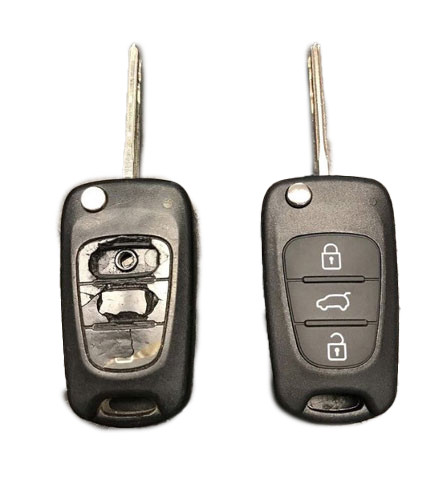
A key cover, often referred to as a key shell or key case, is the outer part of your key. It houses the electronic board, chip, and battery but excludes the internal electronics themselves. If your key casing is damaged, there’s no need to replace the entire key – just changing the key cover can restore its durability and usability while saving you money.

When Do You Need a New Key Cover?

You might need a key cover replacement when:

  • The buttons on your key become worn out or stop responding.
  • The outer case cracks, exposing the internal electronics.
  • The key mechanism no longer functions smoothly.
  • You want to refresh the appearance of your key with a new, sturdy shell.

Instead of struggling with a faulty key, simply replace the cover and extend the lifespan of your original key!

How to Choose the Right Key Cover?

When selecting a replacement key cover, consider the following factors:

  • Button Layout: Ensure that the number of buttons and their symbols match your existing key.
  • Blade Shape: If your key includes an integrated blade, make sure the new shell accommodates it correctly.
  • Quality: A good-quality key cover ensures a snug fit, smooth functionality, and long-lasting durability.

At MR-KEY, we offer a variety of key covers designed to match your specific car model perfectly, providing both aesthetics and functionality.

How to Change Your Key Cover?

Replacing your key cover is simple and doesn’t require professional assistance. Here’s how:

  1. Purchase a compatible key cover from our website.
  2. Open your old key case carefully.
  3. Transfer the electronic board and chip from your original key to the new key cover.
  4. Reassemble the key, ensuring all components fit securely.
  5. Test the buttons and functions to confirm everything is working properly.

For step-by-step guidance, we provide video tutorials on our website, showing you exactly how to change your key shell and even replace the battery if needed.

What Else Can You Change When Replacing the Key Cover?

While changing your key cover, it's the perfect time to:

  • Replace non-functional click buttons on your key’s electronic board.
  • Change the battery since you're already disassembling the key, ensuring it lasts longer.

At MR-KEY, we strive to make key replacements easy, affordable, and accessible to everyone. Explore our website to find the perfect key cover, key cutting services, and useful video guides to help you maintain your car key like a pro!

Related Posts

How to Locate Your Key Code for a Replacement

How to Locate Your Key Code for a Replacement

Losing a key can be a hassle, but the process of getting a replacement becomes much easier if you can locate the key code. The key code is a unique combination of letters and numbers that identifies the specific cut and type of your key. This code is essential for accurately replicating a new key, whether it’s for your car, house, or another type of lock. This guide will help you understand where to find your key code and what steps you can take if the code isn’t easily accessible. Why the Key Code is Important The key code is essentially a blueprint for your key. It tells a locksmith or dealer exactly how to cut a new key that will work with your lock. Without this code, creating a replacement key can be a trial-and-error process, which can be time-consuming and costly. Additionally, for certain types of keys, such as those for cars with transponder chips, the key code is necessary for programming the electronic components of the key. Step 1: Inspect Your Key and Lock The first and most straightforward step is to inspect your key and lock for the key code. For many keys, especially older models, the code is engraved or stamped directly onto the key itself. This is common with car keys, where the code may be found on the metal part of the key blade. In some cases, the code might be on the plastic casing of the key, especially if it’s a newer model with electronic components. If the key itself doesn’t have the code, check the lock. The key code is sometimes inscribed on the lock’s cylinder or on a small metal plate attached to the lock. This is more common with padlocks or specialized security locks. If you’re dealing with a door lock, you might need to remove the lock from the door to inspect it closely. Step 2: Review Documentation and Original Packaging If you can’t find the key code on the key or lock, the next step is to review any documentation or packaging that came with the key. For vehicles, the key code is often provided in the owner’s manual or on a key tag that was given to you at the time of purchase. This tag is usually small and easily misplaced, so it’s worth checking any old documentation or vehicle paperwork you might have. For other types of keys, such as those for padlocks, cabinets, or office furniture, the key code might be printed on the original packaging or on warranty cards. These are often overlooked, but they can be invaluable when you need a replacement key. Step 3: Contact the Manufacturer or Dealer If the key code isn’t visible on the key, lock, or documentation, your next step should be to contact the manufacturer or dealer. Most car manufacturers, for example, keep a record of key codes based on the Vehicle Identification Number (VIN). By providing your VIN to a dealership, they can usually retrieve the key code and either cut a new key for you or give you the information needed to get one cut elsewhere. For other types of keys, such as those for cabinets or padlocks, contacting the manufacturer can also be helpful. Provide them with details about the product, such as the model number and any serial numbers, and they may be able to provide the key code or a replacement key directly. Step 4: Professional Locksmith Assistance If you’ve exhausted all other options, a professional locksmith is your best bet. Locksmiths have specialized tools and knowledge that allow them to decode locks or determine the correct key code even when it’s not visible or available through documentation. They can often cut a new key based on the lock itself, bypassing the need for the original key code entirely. Locksmiths are particularly useful if you’re dealing with older locks, unique security systems, or if the key code is no longer accessible through traditional means. They can also help with programming transponder keys for vehicles, ensuring that your new key not only fits the lock but also communicates correctly with your car’s electronic systems. Additional Tips for Key Code Location Record Key Codes: If you find your key code, make sure to record it somewhere safe. This will save you time if you need another replacement in the future. Ask About Spare Keys: If you’re contacting a dealership or manufacturer, ask if they can provide a spare key at the same time, especially if you’re prone to losing keys. Consider a Key Tracking System: For those who frequently lose keys, consider investing in a key tracking system or a digital key organizer where you can store key codes and important information. Locating your key code is a crucial step in the process of replacing a lost or broken key. By carefully inspecting your key and lock, reviewing any relevant documentation, contacting the manufacturer or dealer, or seeking help from a professional locksmith, you can ensure that your replacement key is accurate and functional. Taking these steps not only saves time and money but also provides peace of mind in knowing that you have a reliable solution for key replacement.

The Environmental Impact of Car Manufacturing: A Deep Dive into Its Global Consequences

The Environmental Impact of Car Manufacturing: A Deep Dive into Its Global Consequences

The automobile industry has long been a driving force of economic growth and technological advancement. However, beneath its sleek exteriors and high-speed innovations lies a significant environmental footprint. From the extraction of raw materials to the assembly line and eventual disposal, every stage of a car's life cycle carries substantial ecological consequences. As the world grapples with climate change and resource depletion, it is imperative to assess the environmental impact of car manufacturing and explore sustainable alternatives. Resource Extraction: The Hidden Cost of Manufacturing Before a car even reaches the production line, the journey begins with the extraction of raw materials. The automotive industry relies heavily on metals such as steel, aluminum, and lithium, all of which require energy-intensive mining operations. Steel and aluminum production involve large-scale mining activities that contribute to deforestation, soil degradation, and biodiversity loss. The World Steel Association estimates that steel production alone accounts for 7-9% of global CO2 emissions. The demand for lithium and cobalt, key materials in battery production, has led to extensive mining operations in countries like Chile and the Democratic Republic of Congo. These activities have been linked to water shortages, toxic waste, and human rights violations. The environmental impact of resource extraction does not end at the mines. Refining these materials also emits significant greenhouse gases and pollutants that affect both the atmosphere and local ecosystems. Energy Consumption and Carbon Footprint in Production The manufacturing process itself is a major contributor to carbon emissions. Producing a single vehicle requires immense amounts of energy, primarily derived from fossil fuels. Car factories depend on energy-intensive machinery for stamping, welding, painting, and assembling components, with most facilities still relying on non-renewable energy sources, exacerbating their carbon footprint. According to the International Energy Agency (IEA), the automotive industry accounts for roughly 10% of total global CO2 emissions. While traditional internal combustion engine (ICE) vehicles release an average of 4.6 metric tons of CO2 annually, even EV production is not emission-free due to battery manufacturing. Water Usage and Pollution in Car Manufacturing Water is a crucial resource in vehicle production, used for cooling systems, paint shops, and cleaning processes. On average, it takes up to 151 cubic meters of water to manufacture a single car. This excessive water consumption poses a severe strain on local water supplies, especially in arid regions. Furthermore, wastewater from factories often contains hazardous chemicals, heavy metals, and microplastics. If not properly treated, these contaminants can seep into local water bodies, affecting marine ecosystems and public health. Air Pollution and Toxic Emissions Beyond CO2, car manufacturing emits various pollutants that contribute to poor air quality and respiratory illnesses. The painting and coating processes release volatile organic compounds (VOCs), which contribute to smog formation and have been linked to lung diseases. Emissions from factory operations and power plants used to supply energy to car manufacturing facilities contribute to nitrogen oxides (NOx) and particulate matter pollution, leading to acid rain and cardiovascular diseases. Waste Generation and Recycling Challenges The car manufacturing process generates vast amounts of waste, from metal scraps and plastic components to hazardous chemicals and non-recyclable materials. While a large percentage of scrap metal can be recycled, many plastic and composite materials used in modern cars are difficult to process. With the rise of EVs, battery disposal is a growing concern. Many lithium-ion batteries contain toxic elements like lead and cadmium, posing environmental hazards if not properly recycled. Global Efforts Toward Sustainable Car Manufacturing Recognizing the urgency of reducing their ecological impact, car manufacturers are gradually shifting toward greener alternatives. Companies like Tesla and BMW are integrating solar and wind power into their production facilities to reduce reliance on fossil fuels. Some automakers are exploring the use of recycled aluminum, biodegradable plastics, and sustainable textiles to minimize waste. Many factories are implementing closed-loop water recycling systems to reduce water consumption and prevent pollution. Efforts to promote sustainability in the industry include: The use of renewable energy sources such as solar and wind in manufacturing plants. Innovative recycling programs that repurpose old car parts and materials. Improvements in energy efficiency within production lines to reduce emissions. Adoption of cleaner, alternative materials for car interiors and body structures. Electric Vehicles: A Double-Edged Sword? While EVs are often touted as the future of sustainable transportation, their production still presents environmental challenges. The extraction and refining of lithium, nickel, and cobalt require vast amounts of energy and water, sometimes offsetting the carbon savings of driving an EV. An EV’s overall sustainability depends on the energy grid it charges from. In coal-dependent regions, EVs may not offer a significant reduction in emissions compared to efficient hybrid vehicles. The Road Ahead for a Greener Auto Industry The environmental impact of car manufacturing is a multifaceted challenge that requires a collaborative effort from governments, corporations, and consumers. Transitioning toward sustainable production practices, investing in recycling infrastructure, and promoting clean energy solutions are crucial steps in mitigating the industry's ecological footprint. As consumers, we can contribute by supporting manufacturers committed to sustainability, opting for fuel-efficient or electric vehicles, and advocating for stricter environmental policies. The road to a greener automotive industry is long, but with continued innovation and commitment, a more sustainable future is within reach.

How to Upgrade Your Car Key: A Step-by-Step Guide

How to Upgrade Your Car Key: A Step-by-Step Guide

Upgrading your car key can significantly improve your vehicle’s security and make your daily routine more convenient. Whether you’re upgrading from a basic key to a remote key or stepping up to a smart key, this guide will take you through the entire process, step by step, ensuring a smooth transition. Understanding Your Key Type Before you start the upgrade process, it’s important to know which type of key you currently have. Here are the most common key types: Traditional Metal Keys : These are basic, mechanical keys, common in older vehicles. They don’t have any electronic components. Transponder Keys : These have an electronic chip inside the key head that communicates with the vehicle’s computer system for added security. Remote Keys : These keys have buttons to lock/unlock the doors remotely and usually have a physical blade as a backup. Understanding your current key type will help guide your decision on the best upgrade path. Choosing the Right Upgrade Once you know what type of key you have, you need to decide what features you want in your upgraded key. Some options to consider are: Remote Locking : Allows you to lock/unlock the doors from a distance. Keyless Entry : Lets you unlock the car without taking the key out of your pocket. Smart Key : Offers advanced functions such as proximity unlocking, push-button start, and remote engine start. Take some time to research the options available for your specific car model. Many car manufacturers offer compatible upgrades for different key types, so it’s important to consult your dealership or a trusted locksmith for recommendations. Gathering What You’ll Need Before starting the upgrade process, make sure you have the following materials: The New Key : This could be a transponder key, remote key, or smart key. Your Original Key : You’ll need this as a reference throughout the process. Key Programming Device : Some keys require a special device to pair the key with your car. Car Manual or Programming Guide : It’s always a good idea to have your car’s manual handy for specific instructions. Having everything ready will make the process much smoother. Step-by-Step Upgrade Process Purchase the New Key Start by purchasing your new key. You can buy it from your car’s dealership, a certified locksmith, or a trusted online retailer. Make sure that the key is compatible with your vehicle’s make and model. Transfer Electronics (if necessary) If your new key is just a shell, you will need to transfer the internal components from your old key. This includes the transponder chip and, if applicable, the key blade. Be careful when transferring the electronics to avoid any damage. Program the Key Programming the new key is crucial for it to work with your vehicle. Here’s a general guide: Insert the original key into the ignition and turn it to the ON position. Quickly remove the original key and insert the new key. Turn the new key to the ON position and wait for the security light to turn off. This might take a few minutes. Test the New Key After programming, it’s important to test the new key to ensure everything works properly. Check the following functions: Locking and unlocking the doors Starting the engine Any additional functions like remote trunk opening or proximity unlocking Troubleshooting Common Issues If your new key isn’t working as expected, don’t worry! Here are some common problems and their solutions: Key Not Recognized : Check if the transponder chip is properly placed in the key. Key Doesn’t Start the Car : Double-check the programming steps to ensure everything was done correctly. Buttons Don’t Work : Verify that the battery in the new key is properly installed and functional. If the problem persists, it’s best to consult a professional locksmith or visit your dealership for further assistance. Upgrading your car key is an excellent way to improve both the security and convenience of your vehicle. By following these steps, you’ll be able to transition smoothly to your new key. If you run into any issues, don’t hesitate to reach out to a professional locksmith who can help you along the way. Enjoy the benefits of your new car key and the added peace of mind that comes with enhanced security.

The Rise of Smart Car Keys: Revolutionizing Vehicle Access and Security

The Rise of Smart Car Keys: Revolutionizing Vehicle Access and Security

In today’s fast-paced world, convenience and security have become paramount, even when it comes to something as seemingly simple as car keys. Gone are the days when a physical metal key was all you needed to start your car. Smart car keys are at the forefront of a technological revolution, reshaping how we access and secure our vehicles. From push-button starts to remote access via smartphone apps, smart car keys are not just a luxury—they are rapidly becoming the standard in automotive innovation. The Evolution of the Car Key The journey of the car key from a mechanical device to a sophisticated electronic gadget mirrors the evolution of the automotive industry itself. The earliest car keys were simple mechanical tools, designed to fit into and turn a lock. By the mid-20th century, advancements introduced key fobs with remote locking and unlocking capabilities, adding a layer of convenience. Fast forward to the 21st century, and the introduction of smart keys has completely transformed the landscape. These keys leverage advanced technology like RFID (Radio Frequency Identification) and Bluetooth to communicate seamlessly with vehicles. Instead of physically inserting a key, drivers can now unlock, lock, and start their cars with just a push of a button—or even through proximity sensors. Key Features of Smart Car Keys Modern smart car keys are equipped with a host of features that enhance both convenience and security. Here are some of the most notable functionalities: Keyless Entry and Start: Proximity sensors allow you to unlock your car doors simply by approaching your vehicle. Push-button ignition eliminates the need for a traditional key turn. Remote Access: Many smart keys integrate with smartphone apps, enabling you to lock, unlock, and even start your car remotely from anywhere in the world. Enhanced Security Measures: Smart keys often use encrypted signals, making them nearly impossible to duplicate or hack. Some models include biometric authentication, such as fingerprint recognition. Theft Prevention: Advanced systems disable the car’s engine if the smart key is not detected nearby, adding an additional layer of security. These features have not only made life easier for drivers but have also raised the bar for vehicle security standards. A Global Phenomenon The adoption of smart car keys is not limited to any one region—it’s a global trend. In countries like Germany, Japan, and the United States, automotive manufacturers have embraced this technology as a standard feature in most mid-range to high-end vehicles. Emerging markets are also seeing increased adoption, with local manufacturers integrating smart key technology to remain competitive. Internationally, the demand for smart keys is driven by urbanization and the rising importance of connected devices. In Europe, for example, manufacturers are exploring how smart keys can work alongside digital infrastructure, like smart parking systems, to provide a fully integrated driving experience. Challenges and Limitations Despite their many advantages, smart car keys are not without their challenges. The most common issues include: Battery Dependency: Smart keys rely on batteries, which can fail unexpectedly, leaving drivers stranded if they don’t have a backup plan. High Replacement Costs: Losing a smart key can be expensive, as replacements often require reprogramming by a professional. Hacking Risks: While smart keys are more secure than traditional ones, they are not immune to sophisticated cyberattacks. Manufacturers and cybersecurity experts are working tirelessly to address these challenges, ensuring that the technology remains reliable and secure for users. Future Trends in Smart Key Technology The future of smart car keys promises even more exciting advancements. Here’s what to expect in the coming years: Biometric Integration: Fingerprint and facial recognition are likely to become standard features, providing an unmatched level of personalization and security. Smartphone as a Key: Many manufacturers are working on phasing out physical smart keys altogether, replacing them with app-based solutions that integrate seamlessly with your phone. Sustainability: With growing concerns about electronic waste, manufacturers are exploring eco-friendly materials and designs for future smart keys. These innovations are not only about convenience but also about creating a holistic and secure driving experience. What This Means for Car Owners For car owners, the rise of smart car keys represents a shift in how we interact with our vehicles. While the technology offers incredible benefits, it also requires a certain level of awareness and preparedness. Knowing how to maintain your smart key, replace its battery, or troubleshoot issues can save you time and money in the long run. Additionally, investing in protective cases or backup solutions, such as a spare traditional key, can help you avoid potential inconveniences. As this technology evolves, staying informed about new features and security measures will ensure that you get the most out of your smart key. Driving Into the Future Smart car keys are more than just a convenience—they are a testament to how technology can enhance everyday life. By combining cutting-edge security measures with unparalleled ease of use, these keys have redefined the driving experience. As automotive technology continues to evolve, smart car keys will likely play an even more integral role in shaping the future of transportation. Whether you’re an early adopter of the latest innovations or someone considering upgrading to a vehicle with smart key capabilities, understanding the benefits and challenges of this technology is essential. The road ahead is bright, and smart car keys are just the beginning of what promises to be an exciting journey in automotive innovation.

Chat with us