
Post Name

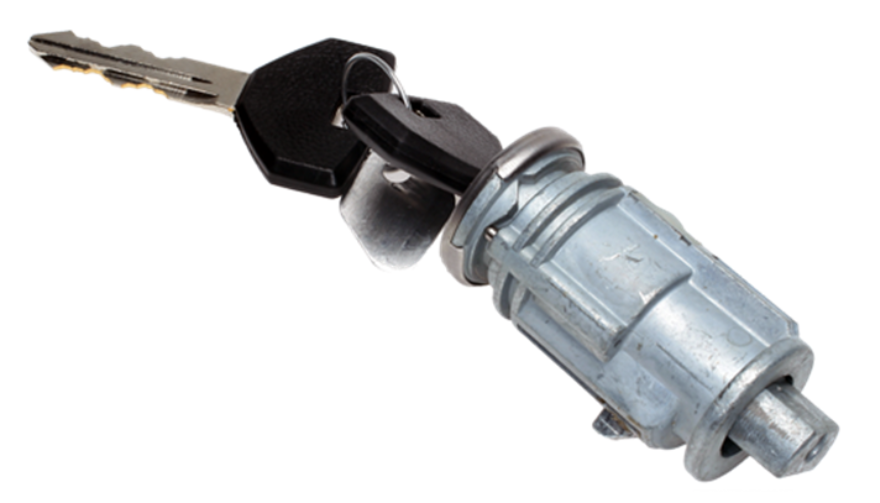
The ignition switch is one of the most important electrical components in any car. When it starts to fail, the symptoms can appear suddenly, seem unrelated, and quickly leave you stranded. This guide explains the real-world signs, the common causes, the most accurate diagnosis steps, and a clear ignition switch replacement guide that helps any driver understand what’s happening and what to do next.

If you’re dealing with car ignition lock problems, this article gives you the clarity you need to fix the issue fast and safely.


What the Ignition Switch Actually Does

The ignition switch has two critical jobs:

1. Electrical power distribution

It sends power to the dashboard, fuel pump, ignition system, starter motor, and electronic modules.

2. Starting the engine

When you turn the key (or press the button), it bridges electrical circuits, enabling the starter motor to crank the engine.

When the ignition switch begins failing, even slightly, it disrupts these circuits. That’s why symptoms can range from flickering dash lights to complete engine shutdown.


Symptoms of a Failing Ignition Switch


These are the most common, proven symptoms that mechanics use to identify ignition switch problems.

1. Car Won’t Start or Cranks Intermittently


If turning the key does nothing—or the engine cranks sometimes but not always—the ignition switch may not be sending power consistently to the starter relay.

Typical behavior includes:

Silence when turning the key

Clicks but no cranking

Starts only after multiple attempts

Total power loss during cranking

This is one of the most classic ignition switch symptoms.

2. Stalling While Driving


A failing ignition switch can cut power to the engine while you’re moving.

Common signs:

Sudden stall for no reason

All dash lights go off instantly

Engine dies when hitting bumps

Engine cuts out but restarts immediately

This is dangerous and needs urgent attention.

3. Dashboard Lights Flickering or Turning Off


When the internal contacts inside the switch wear out, they create tiny power interruptions.

You may see:

Speedometer drops to zero

Warning lights randomly appear

Interior electronics momentarily cut out

Radio resets or flickers

These short power losses are a major red flag.

4. Key Feels Hot or Hard to Turn


If the key is warm after driving, the switch may be overheating internally.

If the key becomes difficult to rotate, the ignition cylinder (mechanical part) may be worn — which often leads to switch failure later.

5. Accessories Don’t Work in ACC Mode


If turning the key to ACC does not activate:

radio

wipers

power windows

heater fan

…the accessory circuit inside the switch may be failing.

6. No Sound from the Fuel Pump When Turning the Key


You should hear a soft humming for 1–2 seconds.

If you don’t, it may mean the ignition switch isn’t powering the pump relay.


What Causes Ignition Switch Problems?


Ignition switches fail for predictable and well-documented reasons.

1. Internal Wear Over Time


Inside the ignition switch are metal contact plates.

After thousands of cycles, these contacts burn, corrode, or lose tension.

Symptoms develop slowly:


random stalling

needing to wiggle the key

intermittent power

This is the most common cause.

2. Heavy Keychains


Many drivers don’t realise this:

A heavy keychain constantly pulls on the ignition cylinder.

Over years, this causes:

internal looseness

misalignment

premature switch failure

If your keychain has more than a few items, it may be contributing.

3. Heat and Electrical Overload


Faulty relays, worn fuel pumps, or aftermarket accessories can overload the ignition switch.

Excess heat damages the internal copper contacts, causing:

hot key symptoms

partial circuit failure

total switch burnout

4. Moisture or Dirt in the Cylinder


Moisture or dust causes the mechanical part of the ignition to jam or bind.

This forces extra pressure onto the switch every time the key turns.


5. Faulty Key or Worn Key Blade


If your key doesn’t rotate smoothly, it can damage both the cylinder and the switch.

Worn keys often lead to electrical faults later.


How to Diagnose Ignition Switch Problems Accurately


Before replacing parts, you should confirm the ignition switch is truly the issue. These steps follow the same logic professional mechanics use.


1. Check if Dashboard Lights Turn On


Turn the key to ON without starting the engine.

If:

no lights come on

lights flicker

radio stays off

…the ignition switch might not be sending voltage.

2. Try Starting with Accessories On


Turn the key to ACC.

If the accessories work in ACC but the engine won’t start, the “start circuit” inside the ignition switch may be failing.


3. Wiggle Test


Gently wiggle the key while:

trying to start

with ACC on

with the engine idling


If wiggling makes electronics turn on/off, the switch is internally worn.

4. Bump Test While Driving


If the car stalls when hitting bumps or potholes, the switch is losing internal contact momentarily.

This is one of the strongest indicators of a failing switch.

5. Test Voltage at the Ignition Switch (Advanced)


Using a multimeter, check for:

constant power

switched power

accessory power

start signal power

If any circuit fails randomly, it confirms an ignition switch fault.


If you need a safety reference for electrical testing, you can check the UK Government’s general vehicle safety guidance here:


Prevention: How to Avoid Ignition Switch Problems


Ignition switch failures can often be prevented with small habits.

1. Keep Your Keychain Light


Remove heavy accessories.

This reduces stress on the ignition cylinder and switch dramatically.

2. Avoid Resting Hands on the Key While Driving


Constant pressure on the key twists the internal contacts.

3. Only Use Correct, Undamaged Keys


Bent, cracked, or worn keys can damage:

the cylinder

the switch

the steering lock


If your key is worn, replace it before it causes further problems.


4. Address Electrical Problems Early


A failing alternator, weak battery, or short circuits can overload the ignition switch.

If you notice dim headlights or battery warnings, fix those early.

5. Keep Dust and Moisture Out of the Cylinder


Avoid spraying WD-40 or household lubricants into the ignition—it attracts dust.

Use proper graphite lock lubricant if needed.


Ignition Switch Replacement Guide


You should only replace the ignition switch if diagnosis confirms it.

Below is a clear replacement overview used by both DIYers and technicians.


Note: Procedures vary by vehicle, but the overall steps are similar.

1. Disconnect the Battery


Always disconnect the negative terminal.

This prevents:

accidental airbag deployment

electrical shorts

damage to modules

2. Remove Steering Column Covers


Most cars use simple screws underneath.

Once removed, the top and bottom covers split apart.

3. Locate the Ignition Switch Module


It is usually mounted behind the ignition cylinder.

Depending on the car:

it may be held by two screws

or secured with clips

or integrated into a combined steering lock module

4. Remove the Electrical Connector


Ignition switches usually have one large multi-pin connector.

Release the locking tab and pull it gently.

5. Remove and Replace the Switch


Install the new switch in the exact orientation as the old one.

Common mistakes to avoid:

misaligning the switch’s internal slot

tightening screws unevenly

damaging wiring during removal

6. Reassemble and Test Thoroughly


After reassembly, test:

ACC mode

ON mode

engine start

headlights

indicators

wipers

radio

If everything works consistently, the replacement is successful.


Is It Safe to Drive with a Bad Ignition Switch?


Usually no.

A failing ignition switch can:

stall the engine suddenly

disable power steering

shutdown ABS

cut power to headlights at night


The RAC warns that electrical failures causing engine cut-outs are a serious safety risk.

If your switch is failing, get it inspected immediately.


FAQ: Car Ignition Switch Problems


1. How much does ignition switch replacement cost?

Most replacements cost £80–£300 depending on the vehicle. Some modern cars require coding, making the cost higher.

2. Can a bad ignition switch cause the car to stall?

Yes. Loss of electrical contact in the switch can cut power to the engine instantly.

3. Is a failing ignition switch the same as a bad starter?

No.

A bad starter prevents the engine from cranking.

A bad ignition switch prevents power from reaching the starter or other systems.

4. Can a locksmith replace an ignition switch?

In many cases, yes — especially for older vehicles.

For modern immobilizer systems, a vehicle technician may be required.

5. Can I drive with ignition switch problems?

It’s unsafe. The engine can cut out while driving, especially on bumps or turns.

6. Does a bad ignition switch affect accessories only?

It can affect:

accessories

engine start

fuel pump

dashboard power

ECU communication

It depends on which internal circuit fails.

7. What’s the lifespan of an ignition switch?

Most last between 10–15 years, depending on usage and electrical load.

8. Do push-button cars have ignition switches?

Yes — they use an electronic ignition switch module instead of a mechanical one.

Failure symptoms are similar.

9. What does a worn key have to do with ignition switch problems?

A badly worn key can cause mechanical strain on the cylinder, which then stresses the electrical switch linked behind it.

10. Can I prevent ignition switch issues?

Yes — keep your keychain light, avoid forcing the key, and keep electrical systems maintained.


For high-quality replacement automotive parts and spare key, visit our shop at mr-key.com.

Related Posts

Car Security: Protecting Your Vehicle in Today’s World

Car Security: Protecting Your Vehicle in Today’s World

The Rising Need for Advanced Car Security In an era where vehicles are becoming smarter and more connected, the risks of car theft and unauthorized access are also increasing. Modern technology has enhanced both the convenience and vulnerability of cars, making robust security measures more critical than ever. This guide explores the importance of car security, the latest innovations in the field, and practical tips to ensure your vehicle stays protected. Why Car Security Matters: Understanding the Threat Car theft remains a significant concern worldwide. According to recent statistics, car-related crimes have shifted from traditional theft methods to more technologically advanced tactics. Thieves now often target vehicles equipped with keyless entry systems, using tools like relay devices to gain access. In the UK alone, over 100,000 vehicles are stolen annually, with keyless thefts—or "relay attacks"—on the rise. This growing trend highlights the importance of adopting modern security solutions to stay ahead of potential threats. Key Features of Modern Car Security Systems Modern car security systems are designed to protect against both physical and digital threats. Some of the most common and effective features include: Immobilizers Prevent the engine from starting without the correct key or transponder signal. Often included as standard in modern vehicles, reducing the likelihood of theft. Alarms Act as a deterrent by emitting loud sounds when unauthorized access is detected. Many systems also notify the owner via a smartphone app. GPS Tracking Systems Allow real-time location tracking of your vehicle in case of theft. Advanced models can remotely disable the vehicle’s engine. Dashcams Record suspicious activity around your car, providing evidence in case of an incident. Dual-camera systems monitor both inside and outside the vehicle. Emerging Trends in Car Security Technology As technology evolves, so do car security measures. Here are some of the latest innovations transforming vehicle safety: Biometric Authentication : Cars equipped with fingerprint or facial recognition systems ensure only authorized individuals can operate the vehicle. Digital Keys : Linked to smartphones, these keys allow remote access and control, but also require robust cybersecurity measures to prevent hacking. Geofencing Alerts : Some advanced systems notify owners if their car leaves a predefined area, adding an extra layer of protection. These advancements show how car security is moving beyond traditional locks and alarms, integrating digital solutions for a smarter, safer experience. Practical Tips to Keep Your Car Safe While advanced technology can significantly improve car security, there are simple, everyday practices that can also help prevent theft and unauthorized access: Park Wisely : Always choose well-lit, secure areas or designated parking spaces. Thieves are less likely to target cars in visible locations. Keep Valuables Hidden : Items left in plain sight can attract unwanted attention. Store belongings out of view or in the trunk. Use Physical Locks : Steering wheel locks and pedal locks act as visible deterrents, even for modern vehicles. Update Software Regularly : For cars with smart systems, keeping the software up-to-date ensures optimal security against potential vulnerabilities. The Global Perspective: How Car Security Varies Worldwide Car security trends and practices vary globally, influenced by factors such as local crime rates, technological adoption, and legislation. In countries like the UK and the US, keyless entry systems and advanced alarms are standard features. However, in emerging markets, physical locks and alarms still play a critical role due to affordability and accessibility. Additionally, some nations have introduced legislation mandating anti-theft systems in new vehicles, further driving innovation in the industry. Understanding these global trends can help car owners make informed decisions when investing in security measures. Stay Ahead of the Risks Car security is no longer just about locking your doors—it’s about staying one step ahead of potential threats. With advanced technologies and practical measures, you can significantly reduce the risk of theft and ensure your vehicle remains safe. Investing in modern security systems, keeping your car’s software updated, and adopting smart habits are all part of building a comprehensive protection plan. In today’s interconnected world, proactive car security is essential for every driver. Stay informed, stay vigilant, and ensure your car stays exactly where it belongs—securely in your possession.

What Makes EV Key Fobs Different from Traditional Car Keys?

What Makes EV Key Fobs Different from Traditional Car Keys?

When you think about car keys, you probably picture the classic remote fob—the one you click to lock or unlock your car from a short distance. For years, this type of key was the standard. But with the rise of electric vehicles (EVs), key fobs have changed more than you might think. They’ve become smarter, more secure, and packed with new technology that sets them apart from their traditional counterparts. So, what exactly makes an EV key fob different? Let’s dive into the world of modern keys and discover why electric vehicle fobs aren’t just an accessory—they’re a key part of the driving experience. Smarter Connections One of the most noticeable differences between EV key fobs and traditional ones is how much they actually “talk” to your car. Old-school fobs were pretty simple. They sent a basic signal to lock or unlock your doors and maybe popped the trunk if you were lucky. But EV key fobs are much more connected. Many of them communicate with the car’s internal system in real-time. When you press a button on an EV fob, you’re not just opening doors—you might be starting the climate control, checking the battery level, or even setting your seat to your personal position. Some fobs go a step further, automatically unlocking the car as you walk up or adjusting settings based on which key is nearby. It’s no longer just a key—it’s part of your driving profile. Software That Evolves Here’s something traditional key fobs can’t do: get smarter over time. EV key fobs often receive something called Over-The-Air (OTA) updates . Just like your phone or your laptop, your key fob’s software can be updated remotely. This can improve its performance, fix bugs, and even add new features. That means your EV key fob is no longer a “set it and forget it” device. It evolves with your car. Updates can make your key safer, faster, and more reliable without you ever stepping foot in a dealership. For some EV owners, their key fob today might already be more advanced than when they first got it. Stronger Security Security has always been important, but for modern EV key fobs, it’s taken to a whole new level. Traditional key fobs use basic encryption, which—unfortunately—has become easier for tech-savvy thieves to bypass. EV key fobs, on the other hand, often use advanced encrypted signals that change every time you use them. Some are even equipped with Ultra-Wideband (UWB) technology, which makes it nearly impossible for criminals to hack or clone the key’s signal. In a world where keyless car theft is becoming more common, these newer security features offer real peace of mind. Your key fob isn’t just a remote—it’s a digital handshake between you and your car that’s designed to keep you protected. A Little More Power-Hungry All these advanced features, constant communication, and longer-range signals come with a small trade-off: EV key fobs tend to use more battery power than traditional ones. You might notice that you need to replace the battery a bit more often, especially if your fob is always syncing with the car or receiving regular updates. The good news? Most EV key fobs still use common, affordable batteries like the CR2032, and replacements are quick and simple. It’s just something to be aware of if you’re used to your old key fob battery lasting for years without a second thought. The Future in Your Pocket EV key fobs are no longer just about opening doors—they’re smart devices that bring you closer to your car’s full potential. They offer more convenience, better security, and the ability to grow and improve over time. As the automotive world moves toward electric, key fobs are evolving right along with it. Whether you drive an EV today or plan to in the future, your key is becoming just as high-tech as the vehicle it unlocks. At Mr. Key , we’re here to help you keep your key fob in top condition—whether you need a battery, a new key shell, or expert advice on key maintenance. Explore our range of products and keep your smart key working like new. Visit us at mr-key.com for all your car key needs.

Effortlessly Ordering Multiple Replacement Car Keys: A Step-by-Step Guide

Effortlessly Ordering Multiple Replacement Car Keys: A Step-by-Step Guide

As a car owner, managing multiple key replacements can be daunting. Fortunately, there's a streamlined method to order several keys simultaneously using a CSV file. Here's how you can simplify the process: 1. Prepare Your Key List Create a Spreadsheet: Use software like Microsoft Excel to list your key codes. Enter Details: In Column A, input each key code; in Column B, specify the quantity needed. Avoid Headers: Start directly with your data; do not include column titles. 2. Save as CSV Choose CSV Format: When saving, select 'CSV (Comma delimited)' from the 'Save as type' dropdown. Ensure Correct Format: Avoid other CSV formats to prevent compatibility issues. 3. Upload Your CSV File Access Your Account: Log into your trade account on the key replacement website. Navigate to Product Page: Find the specific key product you need. Upload CSV: Click the 'Upload a CSV' button above the key number entry field and select your file. Wait for Processing: Large files may take time to upload; remain on the page until completion. 4. Complete Your Order Add to Basket: Once uploaded, click 'Add to basket.' Proceed to Checkout: Follow the standard payment process to finalize your order. Important Considerations Separate Files for Different Keys: If ordering various key types or series, create individual CSV files for each. Trade Account Requirement: This feature is typically available to trade account holders; ensure you have the necessary access. By following these steps, you can efficiently manage bulk key replacements, saving time and ensuring accuracy.

Simple Tips to Free a Stuck Lock: What You Need to Know

Simple Tips to Free a Stuck Lock: What You Need to Know

Locks are meant to provide security, but when they seize up, they can leave you feeling frustrated and helpless. Dealing with a stuck lock is more common than you might think, and thankfully, there are affordable and effective solutions to get it working smoothly again. Whether it's a car door, trunk, or your home lock, here are some tried-and-true methods to free up a jammed lock. Why Locks Seize Up Understanding the causes behind a stuck lock can help you prevent it from happening in the future. Locks can seize up for various reasons: Dirt and Debris : Over time, dust, grime, or even small particles can accumulate inside the lock mechanism, making it harder for the internal parts to move smoothly. Rust and Corrosion : Exposure to moisture, humidity, or salty air can lead to rust buildup on metal parts within the lock, which can prevent movement. Lack of Lubrication : Locks need to be lubricated occasionally to ensure smooth operation. Without lubrication, friction increases, and the lock may eventually jam. Now, let’s look at some simple steps to tackle a seized lock. Step 1: Use Graphite Powder or Dry Lubricant The first thing to try is applying a lubricant, but be careful about what type you use. Wet or oil-based lubricants can attract dust, which eventually clogs the lock. Graphite Powder : This is one of the best options for freeing up a stuck lock. Sprinkle a small amount of graphite powder into the keyhole, insert the key, and gently move it back and forth. This spreads the graphite, reducing friction and allowing the lock components to move more freely. Dry Lubricants : These are specifically designed for locks and are ideal for situations where you want to avoid residue buildup. Spray a small amount into the lock, then insert the key and gently turn it. Pro Tip : Avoid using regular WD-40 or other oil-based products, as they may lead to a buildup over time, making the problem worse. Step 2: Try the Key with Gentle Force If lubrication alone doesn’t do the trick, the next step is to use a little gentle force with your key. Be cautious here; applying too much force could break the key inside the lock. Insert the Key : Once the lubricant has been applied, insert the key fully into the lock. Wiggle Carefully : Gently wiggle and turn the key without applying too much force. This movement may help distribute the lubricant further and gradually loosen up any stuck components. Caution : If you feel excessive resistance, don’t force the key. Forcing it can cause damage or even snap the key, which would require additional assistance to remove. Step 3: Warm Up the Lock (Especially Useful for Cold Weather) Cold temperatures can cause locks to seize due to ice or metal contraction. If you suspect the cold is the issue, warming up the lock can be effective. Use a Hair Dryer : Direct warm air onto the lock for several minutes to allow the metal to expand and the ice (if any) to melt. Heat the Key : You can also try warming the key slightly with a lighter, but exercise caution and make sure it isn’t too hot before inserting it into the lock. Safety Note : Avoid open flames directly on the lock itself, as this can damage surrounding surfaces or even warp the lock mechanism. Step 4: Use a Vinegar Solution for Corroded Locks If rust is the culprit, vinegar is a great household solution for loosening rust and corrosion in a lock. Apply Vinegar : Put a few drops of vinegar on the key, insert it into the lock, and let it sit for a minute or two. Vinegar can help dissolve light rust, making it easier to turn the key. Follow with Lubricant : After using vinegar, apply a small amount of graphite powder or dry lubricant to ensure the lock remains smooth and functional. Step 5: Work with Compressed Air to Remove Debris If dirt or debris has accumulated inside the lock, compressed air is a quick and efficient way to clear it out. Blow Out Dust : Use a can of compressed air and direct the nozzle into the keyhole. Short bursts of air can blow out dust and small debris that may be obstructing the mechanism. Follow Up : After using compressed air, it’s a good idea to add a dry lubricant to prevent any remaining dust from causing future jams. How to Prevent Lock Seizure in the Future Once you’ve successfully freed a seized lock, it’s helpful to take steps to prevent it from happening again. Here are some preventive tips: Regularly Lubricate : Use a dry lubricant or graphite powder once or twice a year, especially if you live in a humid or dusty area. Keep Locks Clean : Wipe off any visible dirt or dust around the lock mechanism. If the lock is exposed to elements (like outdoor or car locks), covering it can help keep debris and moisture out. Avoid Overusing Keys : If your key shows signs of wear, consider getting a replacement. Worn-out keys can cause more friction inside the lock, leading to jams. When to Seek Professional Help Sometimes, despite your best efforts, a lock just won’t budge. In cases where the lock is significantly damaged, heavily corroded, or if the key breaks inside, it’s best to reach out for professional assistance. A professional has specialized tools and expertise to address these issues without causing further damage. Taking Care of Your Locks A stuck lock can be an inconvenience, but by following these simple steps and using a little patience, you can often resolve the issue without professional help. Keeping locks in good condition with regular care is the key to ensuring they function smoothly for years to come.

Chat with us