
Post Name

Short answer:
Yes. You can order a replacement car key online in the UK and have it delivered in 3–4 days. Choose the right key type, provide a photo or key code for cutting, and have a local locksmith program it when it arrives.

Why trust this guide:
With over 25 years in the locksmith trade and more than 650,000 satisfied customers, Mr-Key explains exactly how online key replacement works — clearly, securely, and step by step.

When online replacement works (and when it doesn’t)

Ordering online is ideal if you need a spare, a like-for-like remote, or a replacement for a lost or damaged key. It’s the fastest and most convenient way to get OEM-grade parts delivered to your door.

You simply order the correct key, have it cut from a photo or key code, then let a local locksmith program it to your vehicle.

Online ordering doesn’t replace immobiliser pairing. Modern vehicles still require professional programming once the key arrives.
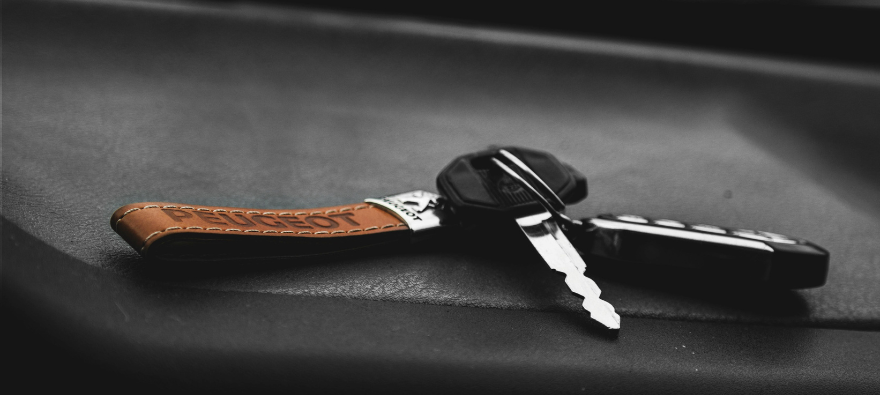
 

Key types explained

Transponder keys
These have a mechanical blade and an electronic chip that communicates with your car’s immobiliser.

Remote fobs
Include lock/unlock buttons plus a built-in transponder. We supply the pre-cut blade (if requested) and tested electronics.

Proximity or smart keys
Keyless entry and push-start units. Delivered ready for your locksmith to pair with the car.

Key shells & batteries
Replace worn housings or dead batteries without any programming.

Also available: caravan keys, ATV keys, roof-rack keys, mailbox keys, towbar keys, and more.

Browse our full range at mr-key.com.

How online ordering works

1. Identify your key
Use your vehicle make, model, and year. Match your key shape, button layout, and frequency markings.

2. Choose how to cut it

By photo: send a clear image of your existing key.

By key code: provide the manufacturer’s key code for factory-accurate cutting.

3. We cut and test
Keys are machine-cut and tested for precision. Electronics are checked before dispatch.

4. Delivery in 3–4 days
Typical UK delivery with tracking and updates.

5. Local programming
Arrange a nearby automotive locksmith to pair the key. Most jobs take 15–30 minutes.

What affects cost

Key type — proximity and smart keys cost more than basic transponders.

Electronics and frequency — differ by brand and year.

Cutting method — photo or code; standard or laser blade.

Programming complexity — varies by model.

Extras — spare shells, emergency blades, or upgraded housings.

Pro tip: Order two keys now — you’ll save money on future locksmith visits and prevent lockouts.

Programming: DIY vs local locksmith

Modern immobilisers are secure by design. Mr-Key does not supply pairing or programming kits.

A professional locksmith uses diagnostic tools to safely program your new key and verify vehicle ownership. It’s faster, safer, and ensures full functionality.

Shipping, warranty & returns

Delivery: 3–4 days across the UK.

Warranty: 12-month full coverage on keys and electronics.

Returns: Contact support before programming — unused items are easier to exchange.

Dealer vs local locksmith vs online

OptionSpeedConvenienceProgrammingBest for
Main dealerMedium–slowAppointment requiredDealer toolsBrand-new cars, under warranty
Local locksmithFastMobile visitDone on siteEmergencies, quick help
Online (Mr-Key)3–4 daysOrder from homeDone by locksmithPlanned replacements, spares

Most UK drivers choose online ordering + local locksmith pairing — the fastest, most cost-efficient combination.

Troubleshooting after delivery

Key turns but car won’t start
Blade fits, but immobiliser isn’t paired yet. Book a locksmith.

Remote buttons not working
Replace the battery and re-pair during programming.

Proximity key not detected
Use the emergency start position (usually near the steering column) and ask your locksmith to register it.

Blade feels rough
Use light graphite lubricant or send a photo for recheck.
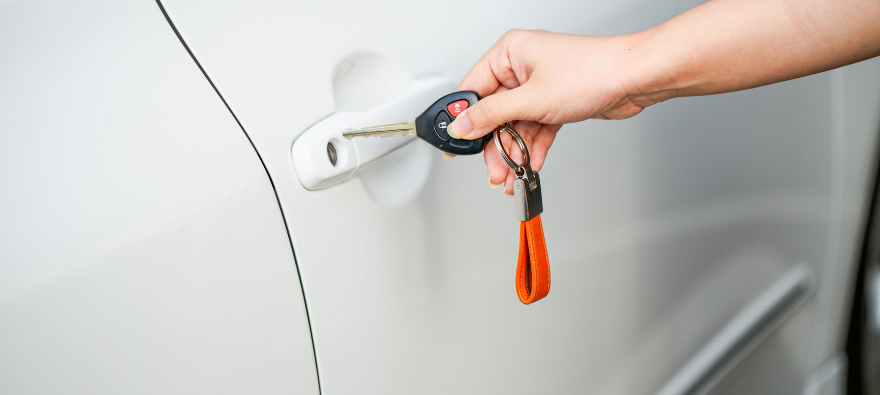
 

How to avoid another lockout

Order a second key and keep it at home.

Replace weak remote batteries yearly.

Label your spare with the vehicle reg.

For keyless cars, store keys away from doors and use a signal-blocking pouch.

FAQ

Can I order a replacement car key online and get it delivered?
Yes. Send your key photo or code, receive delivery in 3–4 days, and have it programmed locally.

Do I need proof of ownership?
Your locksmith may ask for it. For UK vehicle documentation, see GOV.UK – V5C log book.

What’s the difference between key types?
Transponder keys start the car; remote fobs add buttons; proximity keys enable keyless entry/start.

Can you cut my key from a photo?
Yes. Clear, well-lit images allow accurate decoding and cutting.

Can I program the key myself?
No. Only an automotive locksmith can safely pair it.

How long does delivery take?
Usually 3–4 days within the UK.

Do you cover my vehicle?
Almost all brands plus caravans, ATVs, lockers, and more.

What warranty do I get?
12-month full warranty on all keys and electronics.

What if the battery is dead?
Replace it with the correct cell. If issues continue, have the locksmith check frequency and pairing.

What if I’ve lost all keys?
Order online and arrange programming. Mobile locksmiths can often attend on site.

Can I order two keys?
Yes — it’s the smartest option to prevent future emergencies.

Shop now: https://mr-key.com

Related Posts

How to Remove or Change a Roof Rack Lock Barrel Easily

How to Remove or Change a Roof Rack Lock Barrel Easily

Changing or removing the lock barrel on your roof rack may seem like a daunting task, but it’s actually simpler than you might think. Whether you need a replacement due to a lost key, wear and tear, or just want to swap out an old lock for a new one, following the right steps can make the process hassle-free. This guide will walk you through everything you need to know about handling a roof rack lock barrel with ease. Why You Might Need to Change a Roof Rack Lock Barrel ? There are several reasons why you may want to replace or remove your roof rack lock barrel: Lost Key : If you've misplaced the key, replacing the lock barrel is often the most practical solution. Upgrading the Lock : Maybe you want a more secure lock for added peace of mind. Routine Maintenance : Over time, lock barrels can wear down, making it harder to insert or turn the key. Uniformity : If you've recently changed your car key, you may want to match your roof rack lock with it. Knowing why you’re changing the lock barrel will help you determine the steps you need to follow. What You’ll Need Before you start, gather these essential tools and items: Replacement Lock Barrel : Ensure it’s compatible with your roof rack model. Master Key or Removal Key : Often required to remove the old lock barrel. New Key : The key that corresponds to the replacement lock barrel. Flathead Screwdriver : To gently pry and release certain parts if needed. Step-by-Step Guide to Removing a Roof Rack Lock Barrel Removing a lock barrel from your roof rack doesn’t require extensive mechanical skills. Just follow these straightforward steps: 1. Locate the Lock Barrel The lock barrel is usually situated in the center or side of the roof rack. Look for the small lock with the keyhole, as this is where you'll be inserting the master or removal key. 2. Insert the Master Key or Removal Key If you have a master or removal key, insert it into the lock. This is often a universal key provided by the lock manufacturer specifically for removing lock barrels. Once it’s inserted, turn the key slightly to unlock the barrel. Tip: If you don’t have a removal key, contact a professional or see if you can order one specifically for your model. 3. Pull the Lock Barrel Out With the removal key still in place, gently pull the lock barrel out. If it’s resistant, try wiggling it slightly while pulling. Avoid forcing it, as this could damage the lock or roof rack. In some cases, you may need a flathead screwdriver to help pry it out, but be careful not to scratch the surrounding area. 4. Check the Casing After removing the lock barrel, inspect the casing where the barrel was installed. Make sure it’s clean and free of debris. Any dirt or rust could interfere with the new lock barrel, so it’s a good idea to clean this area before proceeding. Installing the New Lock Barrel Once the old barrel is removed, you’re ready to install the new one. Here’s how: 1. Align the New Lock Barrel Take your new lock barrel and align it with the casing where the old one was. Most barrels are designed to fit in only one direction, so make sure you align it properly to avoid jamming. 2. Insert the New Barrel Push the new lock barrel into the casing until it clicks into place. This might require a bit of pressure, but it should fit snugly without needing excessive force. 3. Test the New Key After installing the new lock barrel, insert the new key and turn it to ensure it’s working smoothly. The key should turn easily and lock securely. This step verifies that the new lock is properly aligned and functional. Common Challenges and Solutions While changing a roof rack lock barrel is generally straightforward, you might encounter some challenges. Here’s how to troubleshoot common issues: Stuck Barrel : If the old barrel is stuck, apply a lubricant like WD-40 around the lock to help loosen it. No Removal Key : If you don’t have a master or removal key, consider reaching out to a locksmith or checking if the manufacturer offers a replacement. Barrel Won’t Fit : Ensure you’ve purchased a compatible lock barrel. Even slight differences in design can prevent it from fitting properly. Tips for Maintaining Your Roof Rack Lock To keep your new lock barrel in good condition and prevent the need for frequent replacements, consider these maintenance tips: Regular Cleaning : Dirt and grime can accumulate inside the lock over time, making it harder to operate. Clean the lock regularly to prevent this. Use Lubricant : Apply a small amount of lubricant inside the lock barrel periodically to keep the key turning smoothly. Protect from Rust : If your roof rack is exposed to rain and humidity, use a protective cover or shield to keep moisture out of the lock barrel. Check Key Fit : Avoid using a damaged or bent key, as this can wear out the lock barrel more quickly. When to Seek Professional Help In some cases, removing or replacing a roof rack lock barrel might require assistance from a professional: Lost or Damaged Keys : If both your main key and master key are lost or damaged, a professional can help retrieve or replace the lock barrel. Damaged Lock Mechanism : If the lock itself is damaged or jammed, forcing it can make things worse. A professional locksmith can safely remove and replace it. Replacing or removing a roof rack lock barrel is an affordable and manageable task for most car owners. By following the right steps and keeping up with regular maintenance, you can ensure your roof rack lock stays functional and secure. Whether you’re upgrading for security or replacing a worn-out lock, a new lock barrel can make all the difference in keeping your roof rack safe. Effortless Key Replacement for a Variety of Locks Order 2x Union Keys FT Series, custom-cut to your original key code, for a hassle-free replacement. Compatible with a range of locks, including those from Aston Martin, Jaguar, Land Rover, and more, these keys are perfect for classic cars, caravans, petrol caps, roof racks, and truck canopies. Simply find your lock code (e.g., FT101-FT360) on the lock face and enjoy fast delivery of high-quality spare keys.

Simple Tips to Free a Stuck Lock: What You Need to Know

Simple Tips to Free a Stuck Lock: What You Need to Know

Locks are meant to provide security, but when they seize up, they can leave you feeling frustrated and helpless. Dealing with a stuck lock is more common than you might think, and thankfully, there are affordable and effective solutions to get it working smoothly again. Whether it's a car door, trunk, or your home lock, here are some tried-and-true methods to free up a jammed lock. Why Locks Seize Up Understanding the causes behind a stuck lock can help you prevent it from happening in the future. Locks can seize up for various reasons: Dirt and Debris : Over time, dust, grime, or even small particles can accumulate inside the lock mechanism, making it harder for the internal parts to move smoothly. Rust and Corrosion : Exposure to moisture, humidity, or salty air can lead to rust buildup on metal parts within the lock, which can prevent movement. Lack of Lubrication : Locks need to be lubricated occasionally to ensure smooth operation. Without lubrication, friction increases, and the lock may eventually jam. Now, let’s look at some simple steps to tackle a seized lock. Step 1: Use Graphite Powder or Dry Lubricant The first thing to try is applying a lubricant, but be careful about what type you use. Wet or oil-based lubricants can attract dust, which eventually clogs the lock. Graphite Powder : This is one of the best options for freeing up a stuck lock. Sprinkle a small amount of graphite powder into the keyhole, insert the key, and gently move it back and forth. This spreads the graphite, reducing friction and allowing the lock components to move more freely. Dry Lubricants : These are specifically designed for locks and are ideal for situations where you want to avoid residue buildup. Spray a small amount into the lock, then insert the key and gently turn it. Pro Tip : Avoid using regular WD-40 or other oil-based products, as they may lead to a buildup over time, making the problem worse. Step 2: Try the Key with Gentle Force If lubrication alone doesn’t do the trick, the next step is to use a little gentle force with your key. Be cautious here; applying too much force could break the key inside the lock. Insert the Key : Once the lubricant has been applied, insert the key fully into the lock. Wiggle Carefully : Gently wiggle and turn the key without applying too much force. This movement may help distribute the lubricant further and gradually loosen up any stuck components. Caution : If you feel excessive resistance, don’t force the key. Forcing it can cause damage or even snap the key, which would require additional assistance to remove. Step 3: Warm Up the Lock (Especially Useful for Cold Weather) Cold temperatures can cause locks to seize due to ice or metal contraction. If you suspect the cold is the issue, warming up the lock can be effective. Use a Hair Dryer : Direct warm air onto the lock for several minutes to allow the metal to expand and the ice (if any) to melt. Heat the Key : You can also try warming the key slightly with a lighter, but exercise caution and make sure it isn’t too hot before inserting it into the lock. Safety Note : Avoid open flames directly on the lock itself, as this can damage surrounding surfaces or even warp the lock mechanism. Step 4: Use a Vinegar Solution for Corroded Locks If rust is the culprit, vinegar is a great household solution for loosening rust and corrosion in a lock. Apply Vinegar : Put a few drops of vinegar on the key, insert it into the lock, and let it sit for a minute or two. Vinegar can help dissolve light rust, making it easier to turn the key. Follow with Lubricant : After using vinegar, apply a small amount of graphite powder or dry lubricant to ensure the lock remains smooth and functional. Step 5: Work with Compressed Air to Remove Debris If dirt or debris has accumulated inside the lock, compressed air is a quick and efficient way to clear it out. Blow Out Dust : Use a can of compressed air and direct the nozzle into the keyhole. Short bursts of air can blow out dust and small debris that may be obstructing the mechanism. Follow Up : After using compressed air, it’s a good idea to add a dry lubricant to prevent any remaining dust from causing future jams. How to Prevent Lock Seizure in the Future Once you’ve successfully freed a seized lock, it’s helpful to take steps to prevent it from happening again. Here are some preventive tips: Regularly Lubricate : Use a dry lubricant or graphite powder once or twice a year, especially if you live in a humid or dusty area. Keep Locks Clean : Wipe off any visible dirt or dust around the lock mechanism. If the lock is exposed to elements (like outdoor or car locks), covering it can help keep debris and moisture out. Avoid Overusing Keys : If your key shows signs of wear, consider getting a replacement. Worn-out keys can cause more friction inside the lock, leading to jams. When to Seek Professional Help Sometimes, despite your best efforts, a lock just won’t budge. In cases where the lock is significantly damaged, heavily corroded, or if the key breaks inside, it’s best to reach out for professional assistance. A professional has specialized tools and expertise to address these issues without causing further damage. Taking Care of Your Locks A stuck lock can be an inconvenience, but by following these simple steps and using a little patience, you can often resolve the issue without professional help. Keeping locks in good condition with regular care is the key to ensuring they function smoothly for years to come.

How to Take the Perfect Photo of Your Key for Easy Replacement

How to Take the Perfect Photo of Your Key for Easy Replacement

When you need a replacement key , taking a clear, detailed photo of your key can make the process much faster and more accurate. A high-quality image helps key makers understand the exact specifications, cuts, and dimensions of your key, which is especially important if you don’t have a spare. In this guide, we’ll walk you through the best practices for photographing your key so you can get an accurate replacement with ease. Why a Clear Key Photo Matters Photographing a key might sound simple, but it requires a bit of attention to detail. A well-taken photo captures the key’s grooves and unique cuts clearly, helping the key cutter replicate the exact pattern. Saves Time : A high-quality photo reduces the need for multiple attempts to cut a new key . Ensures Accuracy : Clear images help capture specific details, leading to a more precise fit. Convenient Process : With just a smartphone and a few tips, you can photograph your key from home without needing special equipment. Essential Tools for Photographing Your Key To take a clear photo of your key, you don’t need much beyond a few household items. Here’s what you’ll need: Smartphone or Camera : A phone camera is usually sufficient, but a standard digital camera works well too. Plain Background : Choose a neutral, solid-colored background like a piece of white paper or a smooth table surface. Good Lighting : Natural daylight or a bright room light helps capture details without shadows. Small Object for Elevation : A coin or similar item can lift the key slightly, making it easier to photograph. Step-by-Step Guide to Taking the Perfect Key Photo Follow these steps to take a photo that ensures clarity and accuracy for key replacement. 1. Set Up the Background Place a piece of plain white paper or another smooth, light-colored surface under your key. The solid color helps the details of the key stand out without any visual distractions. Tip : Avoid backgrounds with patterns or textures, as these can obscure the key’s features. 2. Position the Key Correctly Lay the key flat on the background, with the grooves and cuts facing up. The key should be positioned horizontally to allow a clear view of all its details. Side Profile : Make sure to capture the side profile that shows the cuts and grooves. Elevate Slightly : Place a coin or small object under one end of the key to angle it slightly toward the camera. This can help reduce shadows and improve focus on the cuts. 3. Adjust Lighting Good lighting is essential for capturing details. If possible, photograph your key in natural daylight near a window or use a well-lit room. Avoid Shadows : Ensure that no shadows fall across the key, as they can obscure details. Diffuse Light : If using a lamp, consider placing a thin cloth over it to diffuse the light and reduce harsh reflections. 4. Focus and Zoom Make sure your camera or smartphone is focused directly on the key. You may need to tap the screen to bring it into sharp focus. Zoom in Carefully : If you’re using a smartphone, zoom in slightly to capture the details, but avoid over-zooming, which can blur the image. Test Multiple Angles : Sometimes a slight adjustment in angle can capture the cuts more effectively, so take a few shots from slightly different perspectives. 5. Capture Multiple Photos It’s always a good idea to take several photos to ensure you have the best one. Try different angles and lighting adjustments to capture as many details as possible. Close-Up of the Grooves : Take one close-up image focusing on the cuts and grooves of the key. Overall Image : Include one full-length photo that shows the entire key from end to end. Try Different Angles : Slightly tilt the key or move the camera to see which angle best captures the detail of the cuts. Common Mistakes to Avoid When Photographing Your Key To get the best results, steer clear of these common issues that can impact the quality of your key photo: Blurry Images : If your hand shakes, use a small tripod or prop your phone on a stable surface. Poor Lighting : Avoid taking photos in dim rooms; use bright light to ensure the key is clearly visible. Obstructed Details : Make sure the entire length of the key is visible, without any part being cut off or covered. Tips for Ensuring a Smooth Replacement Process Once you have a clear photo of your key, there are a few final steps to make the replacement process as efficient as possible. Check the Photos : Look over your photos before sending them to ensure that they’re clear and detailed. Label the Key : If you’re photographing multiple keys, label each one in the image or add a note to avoid confusion. Include Measurements : If possible, add the measurements of the key’s length and width in your notes for added accuracy. A clear, detailed photo of your key can save you time and effort when seeking a replacement. By following these simple steps, you’ll provide all the necessary details to ensure your new key is an accurate match. Remember, good lighting, focus, and capturing all the unique cuts are essential to achieving the best results. With these guidelines, you’re set to take a photo that will make your key replacement process smooth and hassle-free.

What to Do If You Lose Your Caravan, Motorhome or Camper Keys?

What to Do If You Lose Your Caravan, Motorhome or Camper Keys?

Imagine This Situation… You’ve arrived at your campsite after a long drive, set up your caravan, and enjoyed a relaxing afternoon. The awning is out, the chairs are ready, and the smell of food is still in the air from lunch. You decide to go on a hike in the hills nearby. The scenery is breathtaking, the walk refreshing. But when you return, ready to rest, you reach into your pocket — and your caravan keys are gone . You search your backpack, check the ground around you, even retrace your steps on the trail. Nothing. Now you’re locked out of your caravan or motorhome, with your belongings inside and no easy way in. It’s a nightmare scenario that many campers face — but the good news is that losing caravan, motorhome, or camper keys doesn’t have to ruin your holiday. Step 1: Stay Calm and Search Thoroughly Before panicking, take these first steps: • Check pockets and bags again. Keys can easily slip into hidden corners. • Look inside the caravan windows. They might be left on a table or bed. • Retrace your route. Sometimes keys drop near the campsite or along short trails. • Ask at campsite reception. Fellow campers often hand in lost keys. If your keys are truly gone, you’ll need a replacement quickly. Step 2: Know Your Brand and Lock Type Different caravans and motorhomes use different locks and keys. Identifying your brand and model is the first step to finding the right replacement. At MR-KEY , we supply keys for many popular brands, including: • Caravans & Motorhomes: Abbey, Ace, Adria, ABI, Auto-Sleeper, Auto-Trail, Autocruise, Avondale, Bailey, Burstner, Caretta, Compass, Dethleffs, Elddis, Fendt, Hymer, Knaus, Mobilvetta, Rapido, Sterling, Swift, Tabbert, Weinsberg, Chausson, Danbury • Locks & Accessories: Caraloc and more We also cover locker keys, water filler caps, gas bottle compartments, roof racks, and storage boxes , not just entry doors. Step 3: Replacement Options Through the Dealer • Pros: Original keys, guaranteed fit. • Cons: Expensive, slow (can take weeks), requires paperwork. Through MR-KEY • Keys cut to code – provide your key code and we’ll cut a precise replacement. • Keys cut by photo – send us a clear picture of your existing key. • Blank keys – order blanks and have them cut locally. Why MR-KEY is better than the dealer: • Fast delivery across Europe • Affordable pricing • Wide range of caravan, motorhome, and camper brands • Guaranteed accuracy with professional cutting Step 4: Don’t Get Stranded Again – Order a Spare If you’ve lost your keys once, it’s smart to prepare for next time: • Keep a spare set at home or with a trusted family member. • Store a second set in a safe place inside the caravan. • Use a Bluetooth key tracker (like Tile or AirTag) to find lost keys quickly. Why MR-KEY? • Largest range of caravan, motorhome & camper keys in Europe • Fast delivery to your campsite or home • Cheaper than dealerships without long waiting times • Precision cutting for a perfect fit every time Final Word Losing your caravan or motorhome keys can turn a dream holiday into a stressful experience. But with MR-KEY , getting a replacement is quick and simple. Whether you need a door key, locker key, or gas compartment key, we’ve got you covered. Order your Caravan, Motorhome & Camper Keys today from MR-KEY and get back to enjoying your adventure without worry.

Chat with us